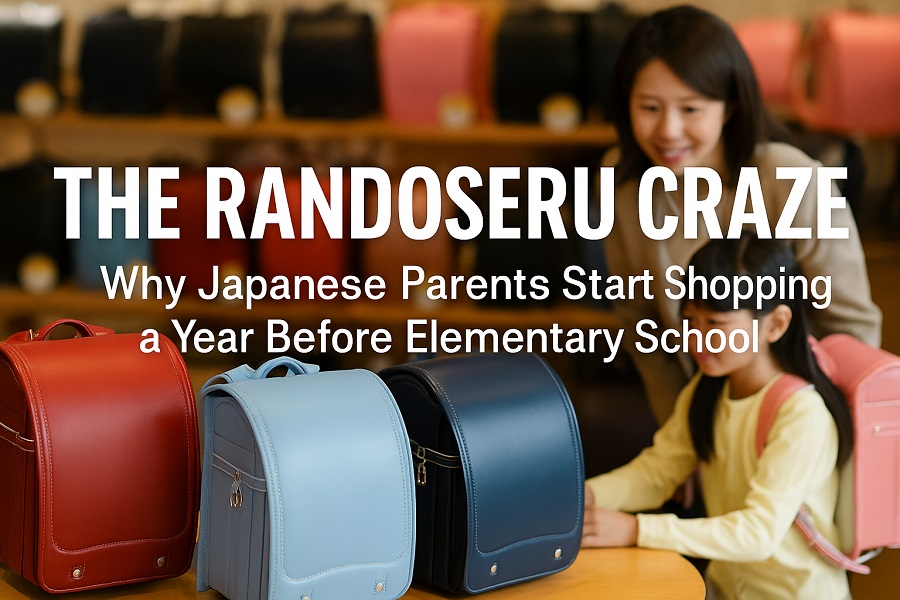
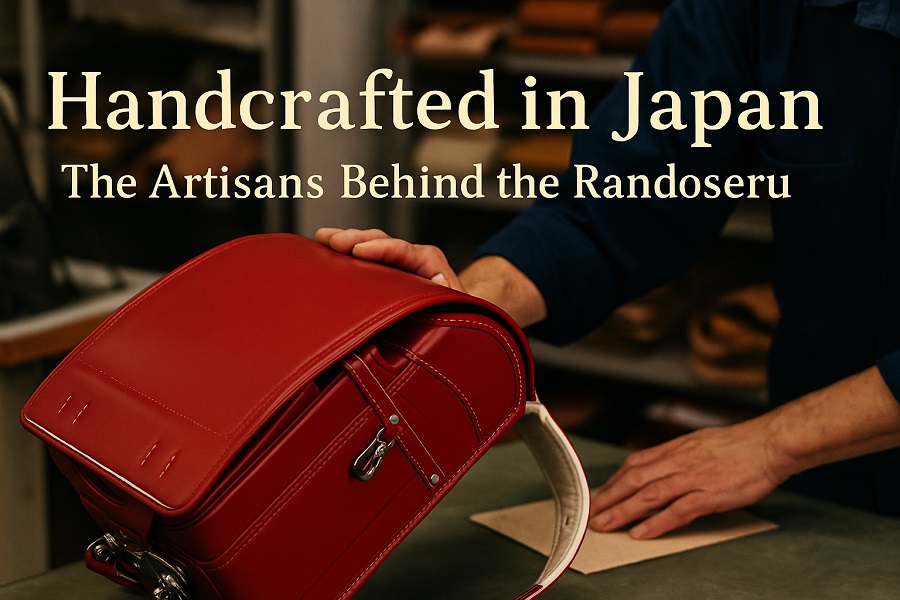
Discover the cultural meaning behind Japan’s iconic school backpack—the randoseru. Learn its history, design, and why Japanese children carry the same bag for six years.

 JapanUnveiled.com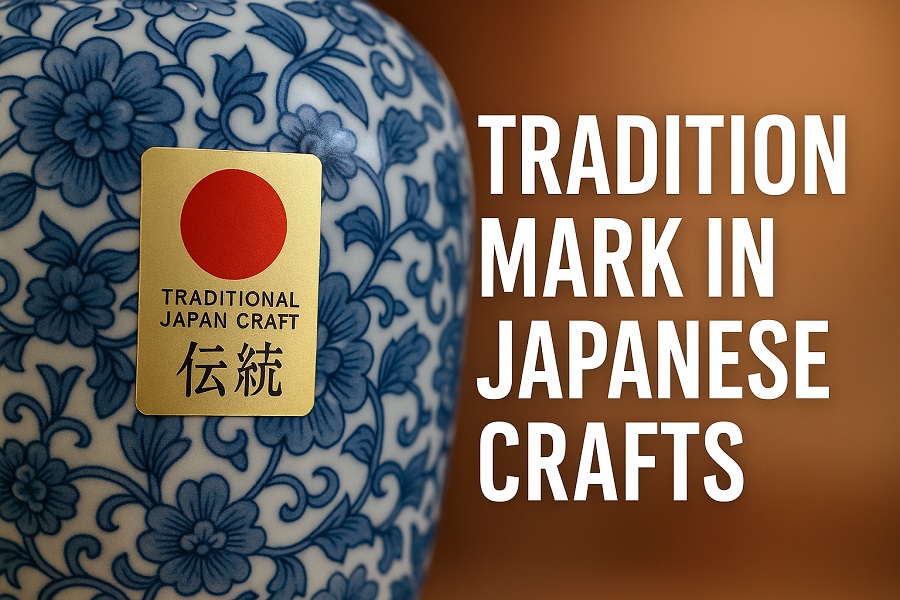
Japan is globally renowned for its masterful traditional crafts—from samurai swords to delicate washi paper, lacquerware, textiles, and ceramics. But with the rise of modern reproductions and mass production, how can you tell what’s truly authentic?
That’s where the Tradition Mark (伝統マーク) comes in—a special symbol approved by Japan’s Ministry of Economy, Trade and Industry (METI), which identifies officially certified traditional crafts.

The Tradition Mark is a government-approved logo that certifies crafts as meeting Japan’s highest standards for traditional manufacturing. It appears as a stylized red sun, reflecting Japan’s national identity and cultural pride.
Crafts with this mark are guaranteed to follow centuries-old techniques, using local materials and handcrafted methods.
To qualify for the Tradition Mark, a craft must meet all five conditions outlined in Japan’s Traditional Craft Industry Promotion Act:

| Mark Type | Meaning | Example Use |
|---|---|---|
| Gold | Traditional craft with over 100 years of history using the same materials and techniques | Kyoto Kyo-yaki pottery, Nambu ironware |
| Silver | Modern adaptation using traditional techniques with updated materials or processes | Contemporary Urushi lacquer accessories |
💡 Tip: Always check whether the mark is gold (deep heritage) or silver (modern traditional).
When shopping in Japan or online, look for:
🧭 Visit the Japan Traditional Crafts Aoyama Square in Tokyo for a curated collection of certified items.
🔗 Related:
Q1: Is the Tradition Mark only used in Japan?
Yes. It is a national certification system established by the Japanese government, and it only applies to crafts made within Japan.
Q2: Can I buy certified crafts online?
Yes. Many official retailers and regional producers have online shops with certification labels.
Q3: How can I tell if a craft is fake?
If the item lacks a Tradition Mark or doesn’t have documentation, it may not be a certified traditional craft. Always ask the seller or look for gold/silver stickers.
Q4: What are examples of crafts with this mark?
Examples include Takaoka Copperware, Yamanaka Lacquerware, Kyo-Yaki Pottery, and Nishijin Textiles.