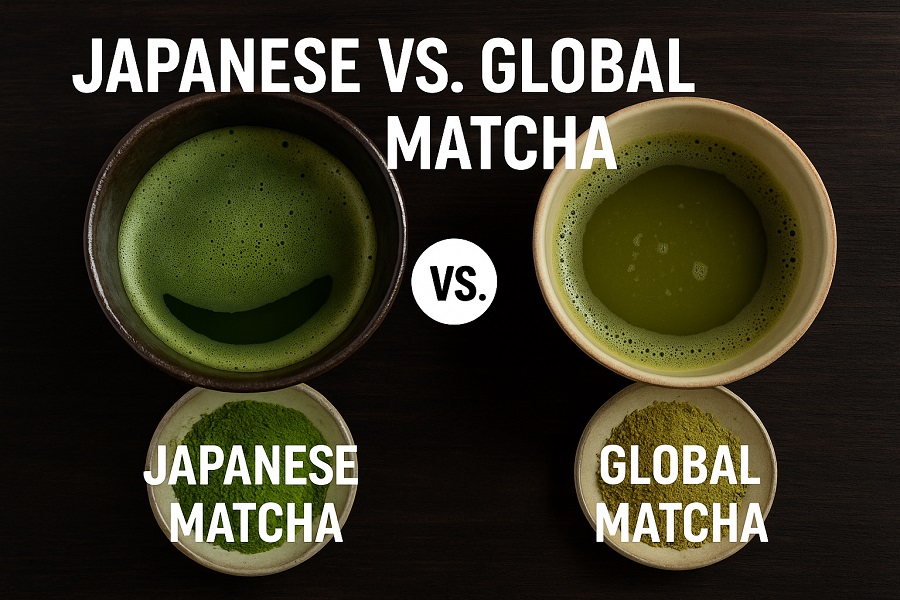
In Japan, November is the true season for matcha. Discover why aged tea leaves reach their peak flavor in autumn, and how to enjoy the best matcha experience.
 JapanUnveiled.com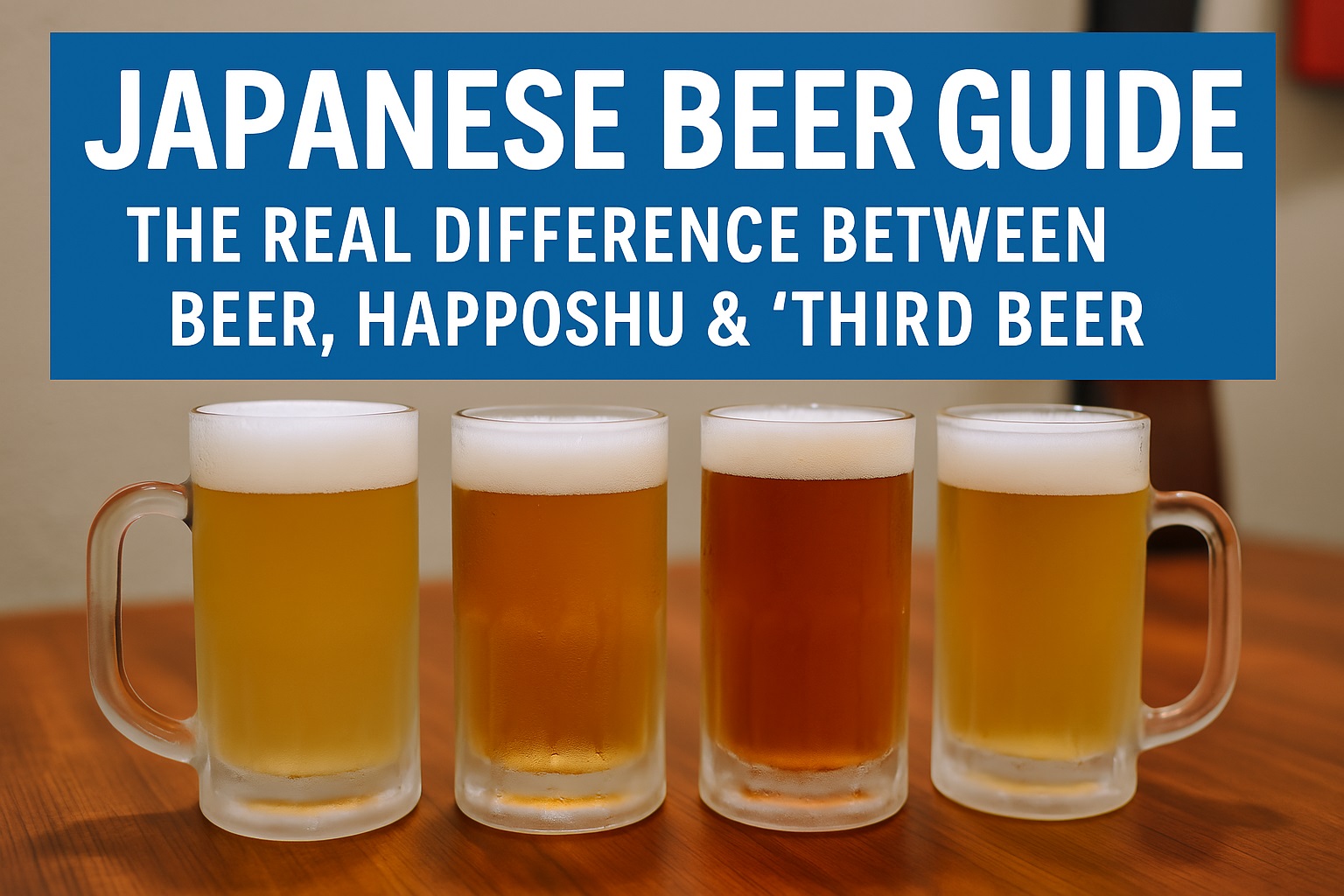
Planning to enjoy a cold beer while traveling in Japan? Great choice! But before you grab a can from the convenience store or order a pint at the izakaya, you should know: not all "beer" in Japan is created equal.
In fact, there are three main categories of beer-like beverages in Japan:
This quick guide breaks down the key differences so you can choose what best suits your taste — and budget!
This is the real deal. Japanese beer that meets the legal definition of beer under Japan’s Liquor Tax Law.
Popular Brands:
🟢 Best for: Beer lovers who want quality and flavor
Happoshu looks and tastes like beer but uses less malt — or substitutes other ingredients.
Popular Examples:
🟠 Best for: Light drinkers and budget-conscious travelers
This is not technically beer — it’s either made with alternative ingredients (like soy protein) or it’s a mix of happoshu and spirits (like shochu).
Popular Examples:
🔵 Best for: Beginners, casual drinkers, or those who want to save money
Quick Comparison Table
| Type | Malt Content | Tax Price | Flavor Profile | Common Brands |
|---|---|---|---|---|
| Beer | 50%+ | High | Rich, aromatic | Asahi, Kirin Ichiban |
| Happoshu | <50% | Medium | Light, crisp | Kirin Tanrei |
| Third Beer | ~0% or mixed | Low | Mild, very drinkable | Kinmugi, Nodogoshi Nama |
💡 Tip: Labels don’t always say “Happoshu” or “Third Beer” in English, so check the fine print in Japanese or use a translation app!
Japan’s unique beer categories can be confusing at first, but that’s part of the fun. Whether you're here for the rich flavor of traditional beer or looking for something light and budget-friendly, there's a perfect can waiting for you.
So next time you raise a glass in Japan, you'll know exactly what you're drinking.
Kanpai! 🍻
If you're visiting Japan and want to try a few beers that are both delicious and easy to find, here are some top picks for first-timers:
🧳 These beers are widely available in convenience stores, supermarkets, izakayas, and even vending machines in some areas.
Despite its beer-like appearance and taste, "third beer" (also called "new genre beer") is not technically beer under Japanese law.
There are two common types:
Because of its alternative ingredients and production method, it falls into a different tax category. That’s why it’s significantly cheaper.
🍻 So is it beer? Legally, no. But flavor-wise, many tourists won’t notice a big difference — especially when it's ice cold on a hot summer day.
Japanese beer tends to be lighter and crisper than many Western craft or European beers. Here’s why:
🎯 Bottom line: Japanese beer is designed for refreshment, not complexity — perfect for easy, sociable drinking.