Visiting Japan? Discover the real differences between Japanese beer, happoshu, and third beer. Learn what to drink, where to find it, and how to enjoy Japan’s unique beer culture like a local!

 JapanUnveiled.com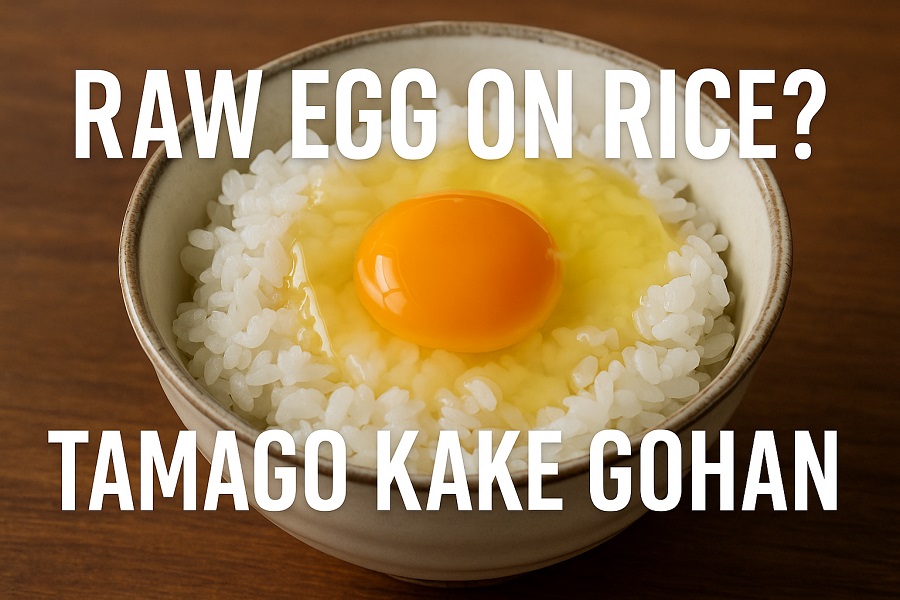
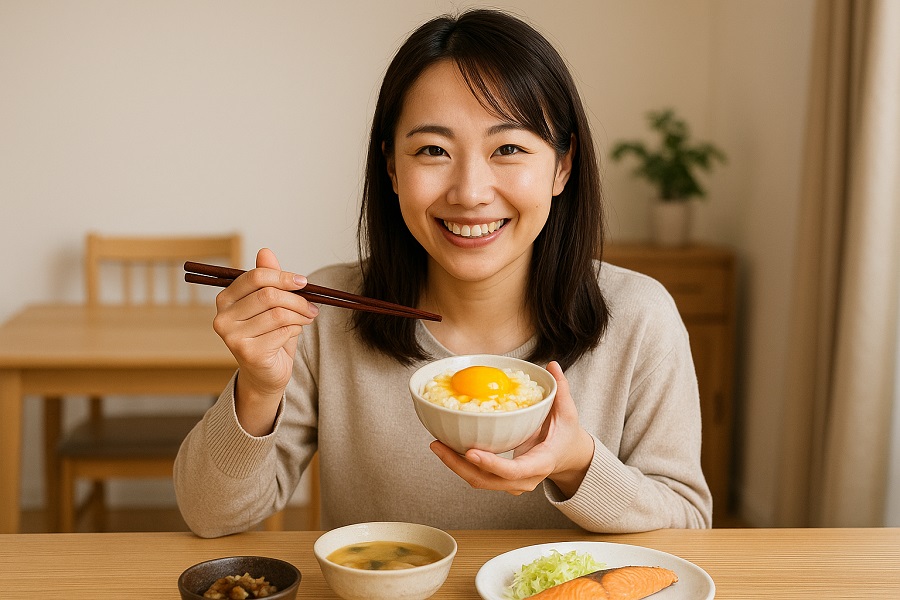
Tamago Kake Gohan (or TKG) is a traditional Japanese dish made by cracking a raw egg over a bowl of hot, freshly cooked rice, then mixing it with soy sauce. It’s simple, fast, and deeply satisfying.
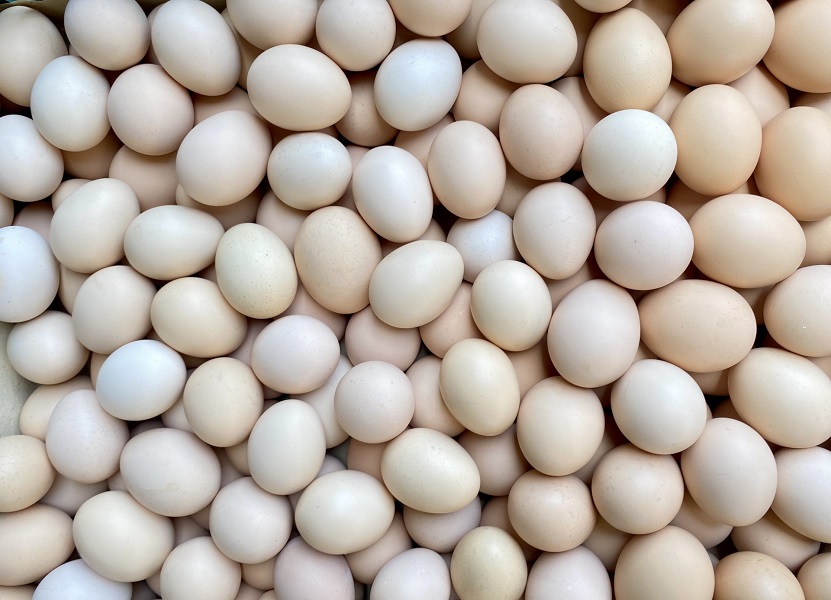
Eating raw eggs, as in Tamago Kake Gohan, can offer unique health advantages when consumed safely:
Note: Egg whites contain avidin, which can interfere with biotin absorption when consumed in excess. Also, cooked egg whites have a higher protein absorption rate. Moderation and freshness are key — and in Japan, raw eggs are among the safest in the world.
Find it at specialty TKG cafes, traditional ryokan breakfasts, or local farm markets. Some places offer egg tasting menus with different hen breeds and yolk flavors.
In Japan, you can easily buy raw eggs at the supermarket and enjoy Tamago Kake Gohan right at home. Since raw eggs sold here are generally safe to eat, it's a popular and convenient meal. Just be sure to check the expiration date, and store the eggs properly in the refrigerator to keep them fresh.
Is it safe to eat raw eggs in Japan?
Yes. Japan has some of the strictest egg safety standards in the world, making raw eggs safe for consumption.
What does Tamago Kake Gohan taste like?
It’s rich, creamy, slightly savory, and incredibly comforting — a must-try Japanese breakfast.
If you're ever in Japan, don't leave without trying **Tamago Kake Gohan**. It may seem unusual, but it's one of the most authentic — and delicious — ways to experience everyday Japanese food culture.
Pro tip: Ask for a “生たまご” (nama tamago) at a Japanese restaurant — that means “raw egg” in Japanese!