Discover why Japan’s vacant homes attract foreign buyers—and why understanding earthquake risks and seismic standards is crucial before investing in property.

 JapanUnveiled.com
What if school didn’t end when the bell rang — but kept going late into the evening?
Welcome to the world of Japanese cram schools, or as they’re called in Japan, “juku.”
In Japan, it’s not unusual for children to head straight from their regular school to another round of classes at a private tutoring center. In fact, more than four million students attend these schools every year. That’s right — after a full day of classes, homework, and club activities, many kids still go to school at night.
Why? And what does this mean for them — and for society as a whole?
Let’s dive into the fascinating (and complex) world of Japan’s juku culture.
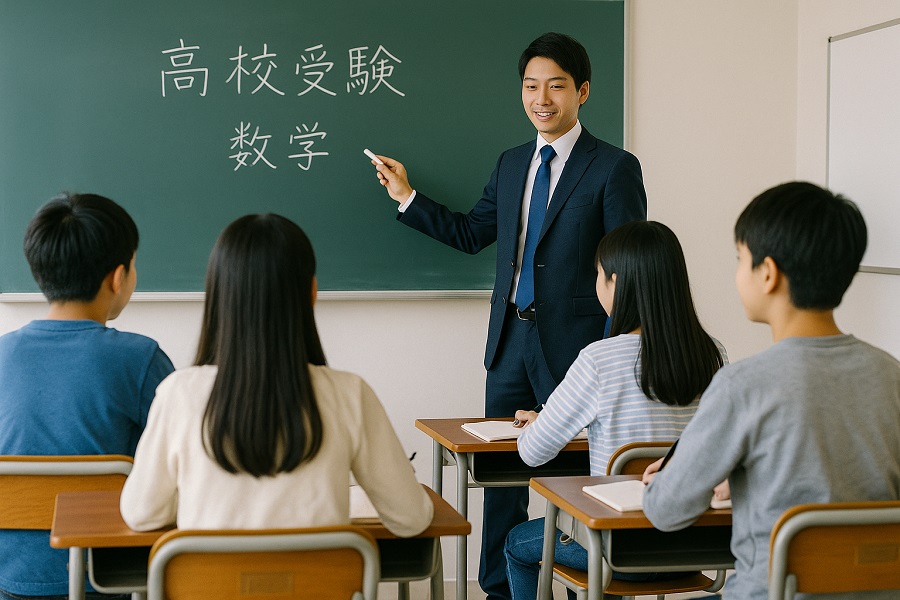
In simple terms, cram schools are private after-school academies that help students get ahead, catch up, or prep for exams. They’re everywhere — Japan has roughly 50,000 to 60,000 of them across the country.
There are different types:
Some students go twice a week, others go nearly every day. And yes, many kids attend cram school even in elementary school.

Cram schools thrive in Japan for several reasons:
In Japan, even junior high schools can require entrance exams — and they’re tough. Getting into a prestigious school early on can shape a student’s entire future.
Japanese public schools are very standardized. Juku fills the gaps by offering personalized learning or advanced material.
Education is taken seriously in Japan. Many parents see juku as a necessary investment, and students often attend simply because “everyone else does.”
Cram school isn’t cheap. Depending on the school and how often a student goes, annual costs can range from a few hundred dollars to several thousand.
A full year of prep for a top university exam? That can cost over ¥500,000 ($3,500+). Despite this, the industry remains massive — valued at over ¥1 trillion ($7 billion) annually.
Critics also worry that juku encourages memorization over creativity, and that it’s not preparing kids for the kinds of complex problem-solving needed in the modern world.
Countries like South Korea and China also have intense cram school cultures — in fact, South Korea’s may be even more intense. But in contrast, places like Finland, Canada, and even the U.S. place more emphasis on well-being, play, and individual strengths.
In those systems, after-school time is often spent on arts, sports, volunteering, or just being a kid.
Japan’s juku system is a powerful example of what happens when a society prioritizes academic success above all else. It’s helped raise a generation of highly literate, disciplined, and motivated students — but not without cost.
So, the next time you see a Japanese student studying late into the night, you might wonder:
“Are they learning more — or just learning longer?”
It’s a question worth asking, not just in Japan, but everywhere.
“The Pros and Cons of Japan’s Test-Driven Education System”