Discover the cultural meaning behind Japan’s iconic school backpack—the randoseru. Learn its history, design, and why Japanese children carry the same bag for six years.

 JapanUnveiled.com
In a world filled with disposable packaging and mass-produced bags, a simple square of fabric from Japan is quietly gaining global attention. It’s called furoshiki, and while it may look unassuming, this traditional cloth holds centuries of culture, craftsmanship, and surprisingly modern practicality. Whether you're interested in sustainable living, Japanese culture, or just looking for an elegant way to wrap a gift, furoshiki might be the versatile tool you didn’t know you needed.
Furoshiki (風呂敷) is a square piece of cloth traditionally used in Japan to wrap, carry, and protect objects. It comes in various sizes—typically ranging from 45cm to 100cm or more—and is made from materials such as cotton, silk, or synthetic fibers. With just a few simple knots and folds, you can transform a flat piece of fabric into a functional bag, a gift wrap, a bottle holder, or even a table covering.
Unlike paper or plastic packaging, furoshiki is reusable, durable, and beautiful. Each piece can be a canvas of artistic patterns—from traditional motifs like cranes and waves to modern minimalistic designs.
The origins of furoshiki trace back over 1,200 years to the Nara period (710–794), where cloths were used to wrap imperial treasures. The term “furoshiki” itself emerged in the Edo period (1603–1868), when people began using cloths to bundle their belongings while bathing in public bathhouses (furo means “bath” in Japanese). These cloths helped distinguish personal items and made them easier to carry.
In the 20th century, furoshiki became a staple of daily life, used to carry lunch boxes, gifts, or groceries. However, with the rise of plastic bags in the late 1900s, their use declined—until now.
Today, furoshiki is being rediscovered as a symbol of sustainable living. It offers a graceful alternative to wasteful packaging and a nod to the values of simplicity, mindfulness, and resourcefulness. Whether you're wrapping a gift, carrying groceries, or creating a stylish accessory, furoshiki proves that one cloth can serve many purposes—again and again.
Its aesthetic appeal also plays a role in its popularity. Furoshiki patterns often feature seasonal themes, nature elements, or culturally significant symbols, making each one not just useful but meaningful.
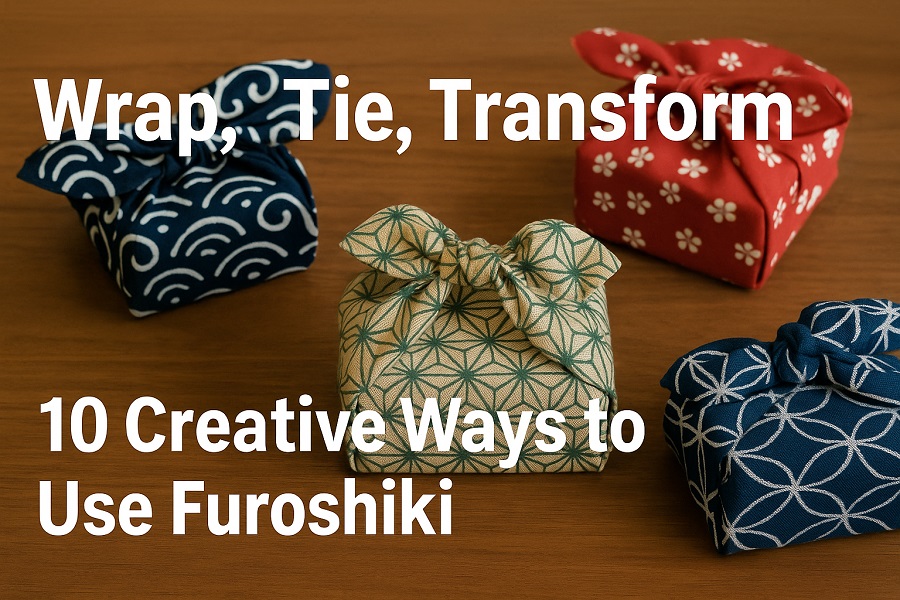
Furoshiki's beauty lies in its versatility. Here are a few basic uses:
There are dozens of traditional and modern techniques. Many guides and videos are available online to help you master the art of wrapping.
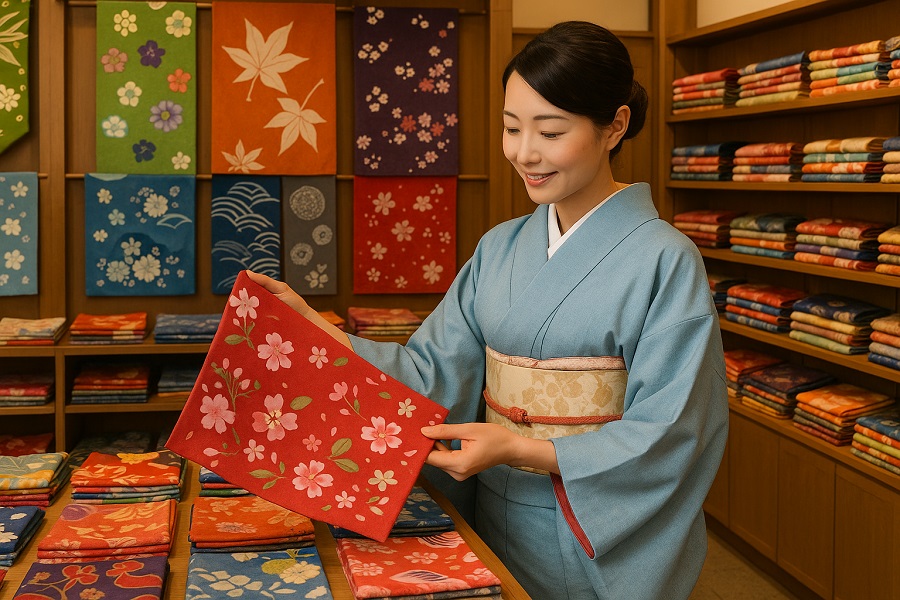
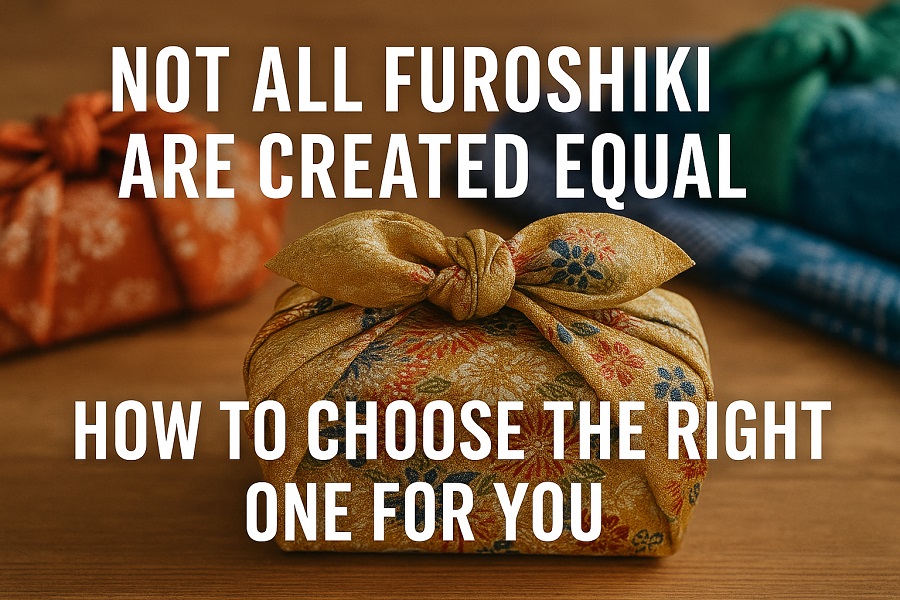
You can find furoshiki through online marketplaces like Etsy, Amazon, and specialty Japanese craft stores. When choosing one, consider:
Furoshiki is more than just a fabric. It embodies a way of thinking—one that values beauty, functionality, and sustainability. Whether you use it to wrap a present or carry your lunch, it encourages intentionality and creativity in everyday life.
So next time you reach for a plastic bag or gift wrap, consider this: what could a simple square of cloth do instead?
Curious to try it out? Check out our next article: “10 Creative Ways to Use Furoshiki in Your Daily Life.”