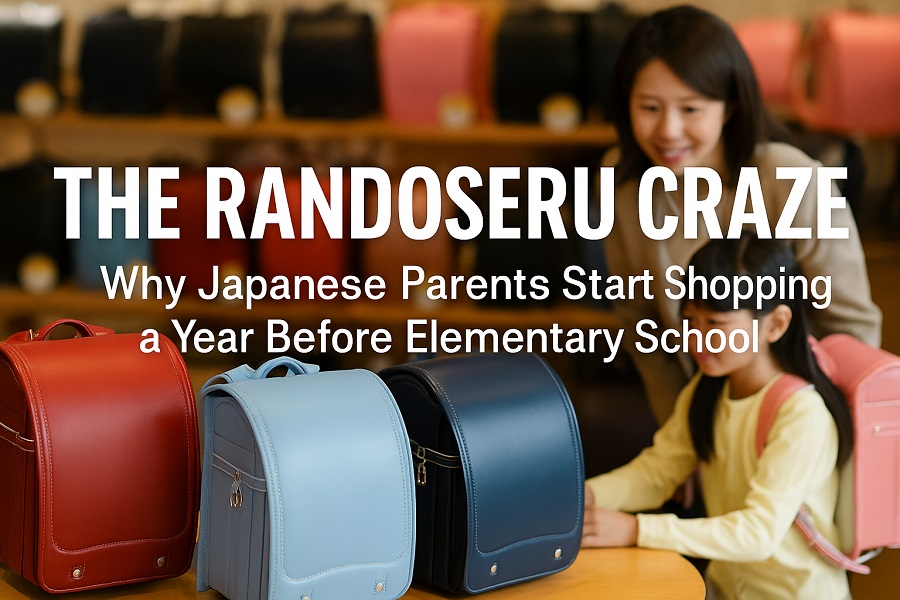
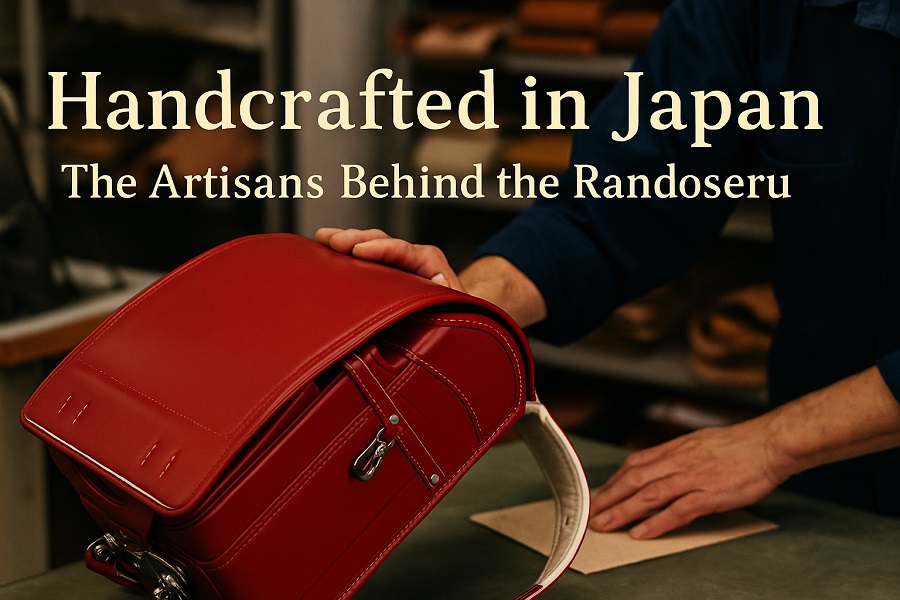
Discover the cultural meaning behind Japan’s iconic school backpack—the randoseru. Learn its history, design, and why Japanese children carry the same bag for six years.

 JapanUnveiled.com
In a world of rushing and convenience, wrapping something slowly and intentionally might seem unnecessary. But in Japan, the act of wrapping with care—especially with a furoshiki—reflects a deeper way of thinking. It’s not just about the object inside. It’s about presence, respect, and mindfulness.
Let’s explore how this simple square of fabric reveals a Zen-inspired philosophy of everyday life.
Furoshiki is traditionally a utilitarian item: a square cloth used for carrying and wrapping. But beyond its function lies a practice that aligns with Zen principles:
In this sense, furoshiki is not only useful—it’s meditative.
Like the tea ceremony or calligraphy, wrapping with furoshiki can be a quiet, focused ritual. Each fold, each knot, is done with intention.
The process requires:
It’s not about speed—it’s about being present.
This mirrors zazen, the Zen practice of seated meditation: calm, deliberate, and mindful.
When you wrap with furoshiki, you're doing more than hiding an item. You’re expressing:
The act of wrapping becomes a small but powerful way to center yourself in a chaotic world.
In Zen, simplicity and minimalism are not about austerity—they’re about clarity. Furoshiki aligns with this:
Owning one or two beautiful furoshiki, and using them over and over, becomes an act of both environmental and spiritual mindfulness.
People around the world are rediscovering furoshiki as part of:
Wrapping your lunch in a furoshiki isn’t just practical—it’s a way of beginning your day with grace and awareness.
Furoshiki teaches us that wrapping is not just packaging—it’s presence. It invites us to slow down, to pay attention, and to honor even the smallest gestures.
In every fold lies a moment of peace.
So next time you wrap something, try using a furoshiki—not just to carry, but to connect.
Looking to begin your own mindful wrapping practice? Read our beginner’s guide: “What Is Furoshiki?”