Discover the cultural meaning behind Japan’s iconic school backpack—the randoseru. Learn its history, design, and why Japanese children carry the same bag for six years.

 JapanUnveiled.com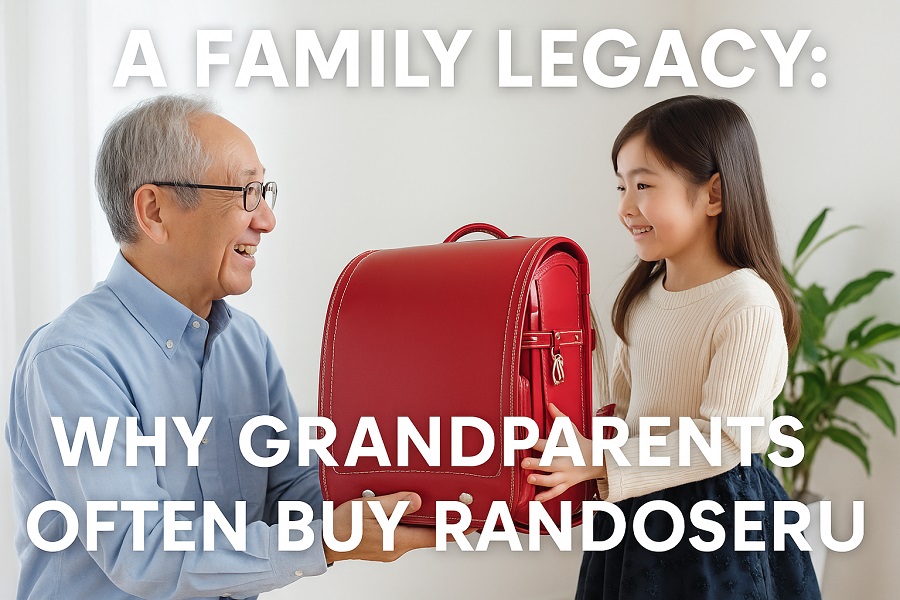
In Japan, the moment a child receives their first school backpack—the randoseru—marks a major milestone. But what many outside the country don’t know is this: in most cases, the randoseru isn't bought by the parents. It’s the grandparents who proudly make the purchase.
This tradition is about more than just practicality. It reflects deep family bonds, cultural values, and intergenerational love. The gift of a randoseru is a powerful symbol of legacy and belief in a child’s future.
A high-quality randoseru can cost anywhere between ¥50,000 and ¥100,000 ($400–$800 USD) or more. That’s no small expense, which is why many Japanese families turn to grandparents—especially when both parents are working or raising multiple children.
But the decision isn’t purely financial. For many grandparents, buying the randoseru is a way to contribute meaningfully to their grandchild’s life. It’s often the first major gift, and one that will be used every single day for six formative years.
This tradition is sometimes called “roji gift” (from rojin, meaning "elderly person"), and it’s loaded with sentiment and symbolism:
Many families even write letters or give cards with the bag, turning the moment into a ceremony of sorts—one that binds generations together.
👉 Learn more about the randoseru's history in Vol.1: “What Is a Randoseru?”
In recent years, Japanese social media has embraced the phenomenon of the “grandparent randoseru,” with hashtags like:
Parents post photos of the child unboxing the randoseru, grandparents smiling in the background, and even short videos capturing the moment. It’s a joyful family ritual, widely celebrated and proudly shared.
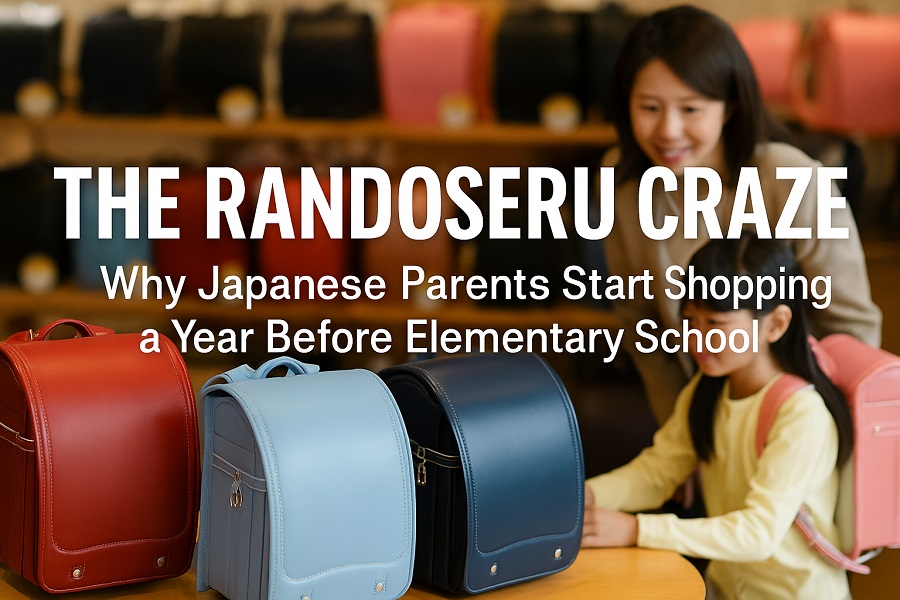
👉 Want to see how randoseru shopping has become an early family project? Read Vol.2: “The Randoseru Craze.”
While traditionally the grandparents paid the full cost, it’s now common for families to split the expense or involve the child in choosing the bag.
Grandparents often visit pop-up stores or exhibitions with their grandchildren, making a day of it—choosing color, stitching, and even custom nameplates. It becomes an experience, not just a transaction.
A randoseru isn't just a backpack in Japan. It’s a portable piece of family love, something a child carries every day—literally on their back—and metaphorically in their heart.
For grandparents, it's one of the first (and sometimes last) major gifts they give. For children, it's often their earliest memory of being celebrated as an individual, and as someone worth investing in.
It’s not just a bag. It’s a legacy.
👉 Next in the series: Vol.5 – “Beyond Japan: How the Randoseru Went Global”
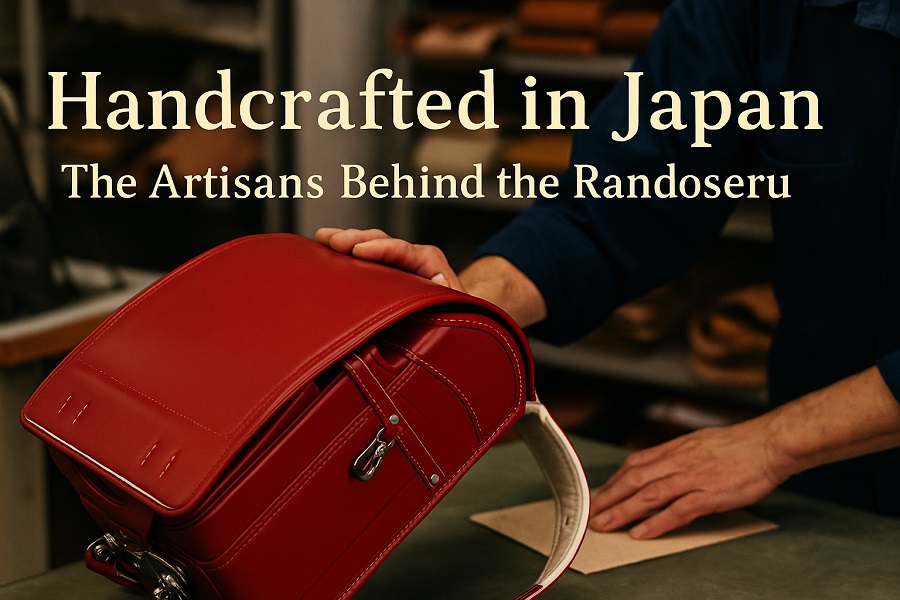
👉 Or return to Vol.3 – “The Artisans Behind the Randoseru”