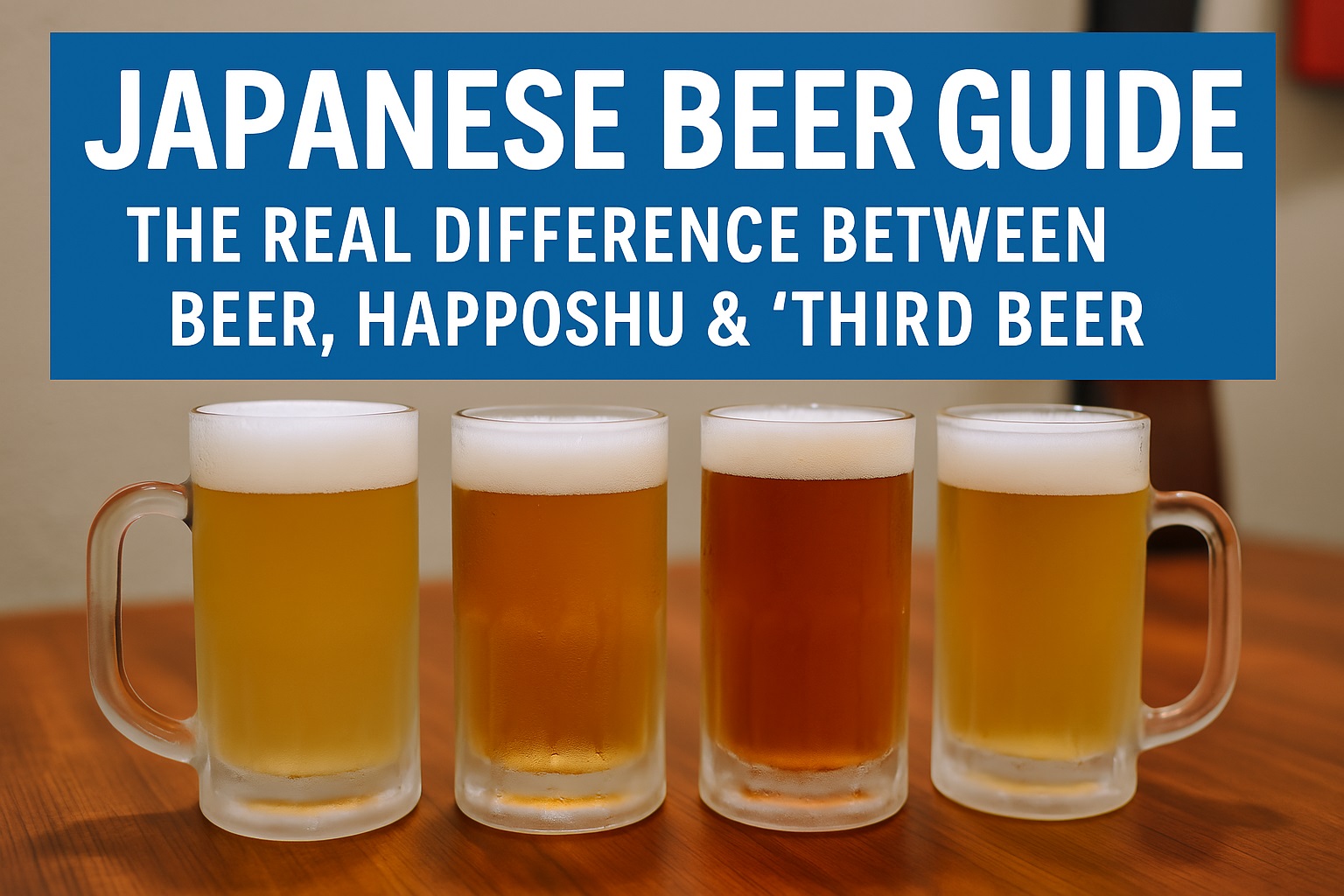
Visiting Japan? Discover the real differences between Japanese beer, happoshu, and third beer. Learn what to drink, where to find it, and how to enjoy Japan’s unique beer culture like a local!
 JapanUnveiled.com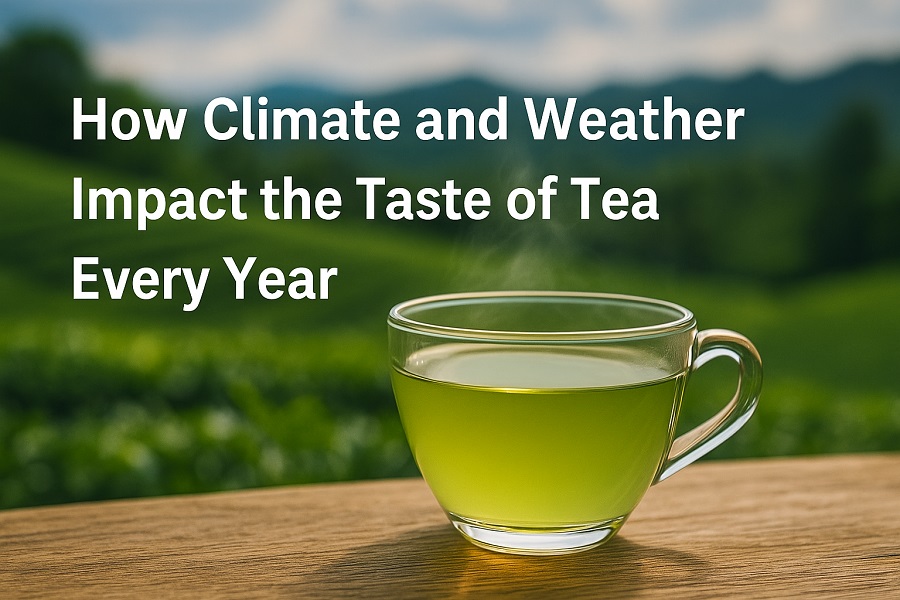
When you sip a cup of tea, what makes it truly delicious?
Is it the delicate aroma, the gentle sweetness, the deep umami, or the lingering aftertaste?
The answer is: all of these elements — and more.
Tea is a living reflection of the environment where it is grown.
Just like fine wine, tea is shaped by the weather, the soil, and the farmer’s careful work.
This is why tea doesn’t taste exactly the same every year — and why every harvest has its own story.
The "deliciousness" of tea is a harmony of factors:
A great tea gently fills your senses, offering an experience that is both refreshing and comforting.
Several environmental factors influence the flavor of tea each year:
Temperature, sunlight, and rainfall have a major impact.
A cooler spring may create sweeter, more aromatic leaves, while heavy rains can dilute flavor.
Rich, well-drained soils help tea plants absorb essential minerals, adding depth to the taste.
Whether the tea is shade-grown, naturally farmed, or organically nurtured affects the final profile.
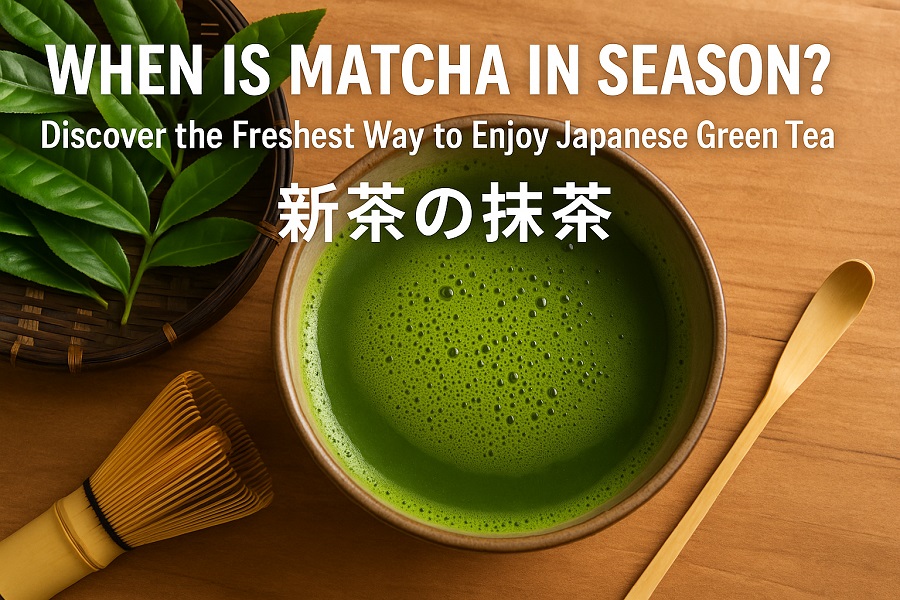
Early spring teas (known as "first flush" or "shincha" in Japan) are prized for their freshness and vibrant flavor.
How the leaves are steamed, rolled, or fermented brings out different characters in the tea.
Just like wine has vintages, tea has its own seasonal personality.
A tea harvested in a perfect year — with ideal weather and careful tending — can have extraordinary quality.
In Japan, for example, tea lovers eagerly await each year’s shincha (new tea) to experience the unique taste that the season has produced.
Rather than seeking "perfect consistency," true tea appreciation embraces these subtle differences.
Each cup becomes a chance to taste the work of nature, captured in a single moment.
Understanding that tea is shaped by its environment allows us to enjoy it on a deeper level.
With every sip, we connect not only with the craft of the farmer but also with the spirit of the earth and the passing of time.
Next time you brew a cup, take a moment to wonder:
"What kind of year does this tea tell me about?"