Discover the cultural meaning behind Japan’s iconic school backpack—the randoseru. Learn its history, design, and why Japanese children carry the same bag for six years.

 JapanUnveiled.com
A growing number of foreign travelers are trading souvenir shops and city lights for sandals and prayer beads. In Japan, a centuries-old Buddhist pilgrimage is quietly drawing modern seekers: the Shikoku Henro.
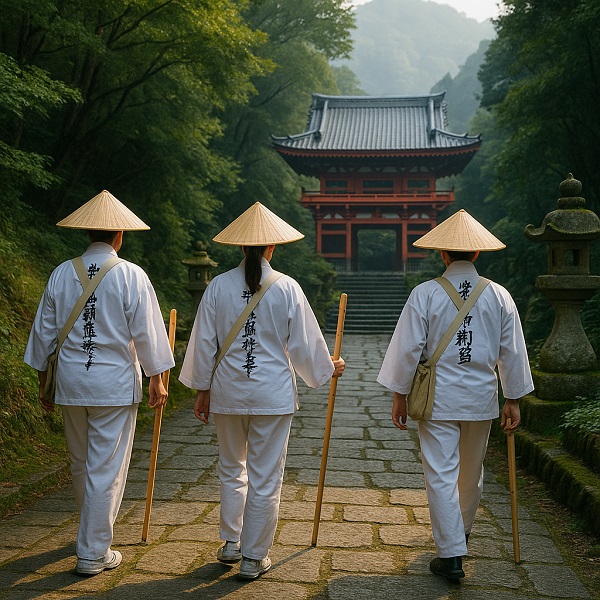
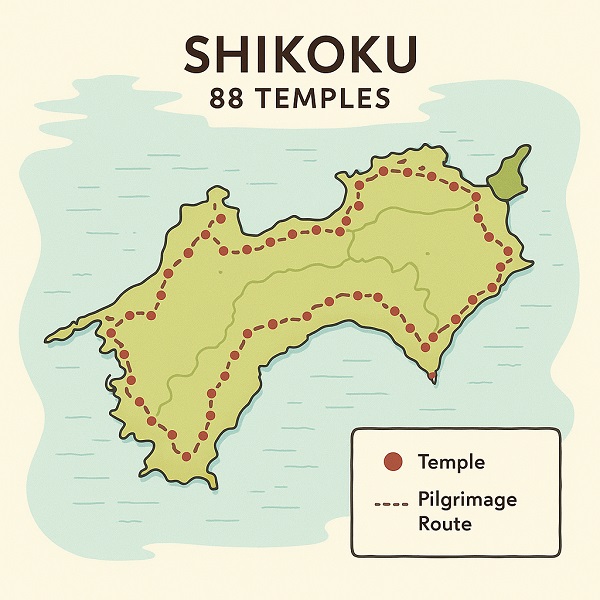
The Shikoku Pilgrimage, known as "Shikoku Henro" in Japanese, is a circular route that connects 88 Buddhist temples across the island of Shikoku. Spanning over 1,200 kilometers, it traditionally takes 30 to 60 days to walk. Pilgrims, called ohenro-san, often wear white clothing, straw hats, and carry a wooden staff inscribed with the phrase "Dōgyō Ninin" ("Two traveling together"), symbolizing that they walk with the spirit of Kūkai (Kōbō Daishi), the founder of Shingon Buddhism.
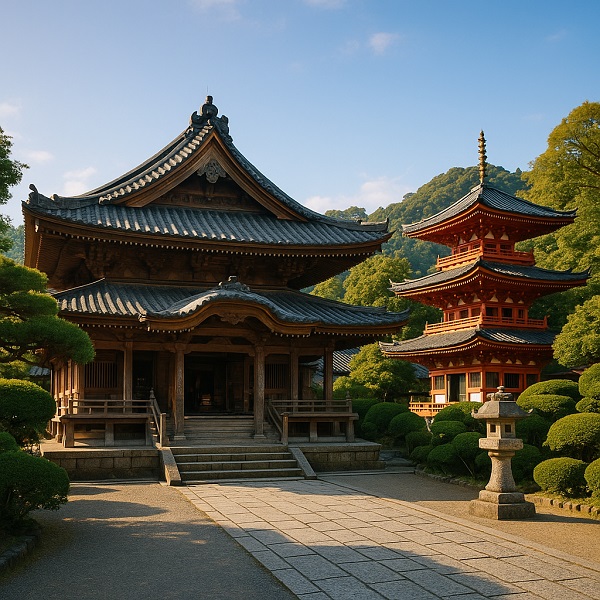
While historically rooted in religious devotion, today's pilgrims come for a variety of reasons. Some seek spiritual clarity, others a physical challenge, and many look for a way to unplug from modern life. For foreigners, it is a unique opportunity to connect with Japan's spiritual heritage and natural beauty. Walking becomes a form of meditation, and the simplicity of daily rituals—visiting temples, reciting sutras, receiving temple stamps—brings a surprising sense of peace.
Pilgrims traverse coastlines, forests, rice fields, and mountain trails. Each temple offers a quiet moment of reflection and a connection to centuries of history. Local residents often offer osettai—free gifts like snacks or drinks—as a gesture of support. This interaction between locals and pilgrims creates a warm, human side to the journey that transcends language.
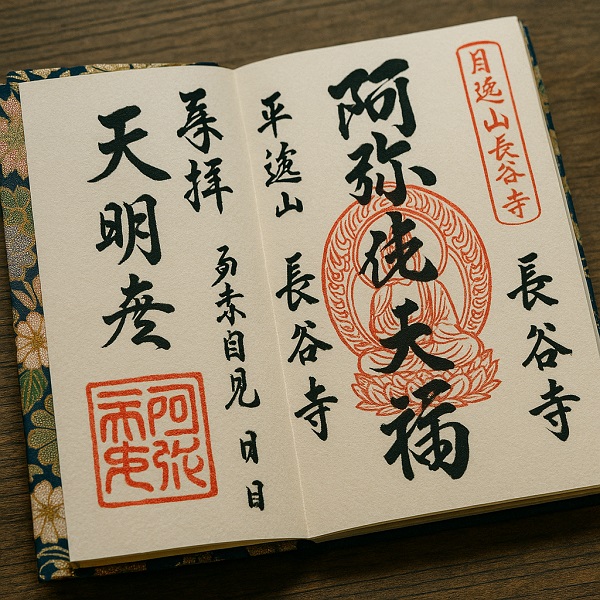
The pilgrimage is often seen as a metaphor for the Buddhist path itself. Traditionally, the journey is divided into three stages:
These stages mirror the inner transformation that pilgrims may undergo as they walk.
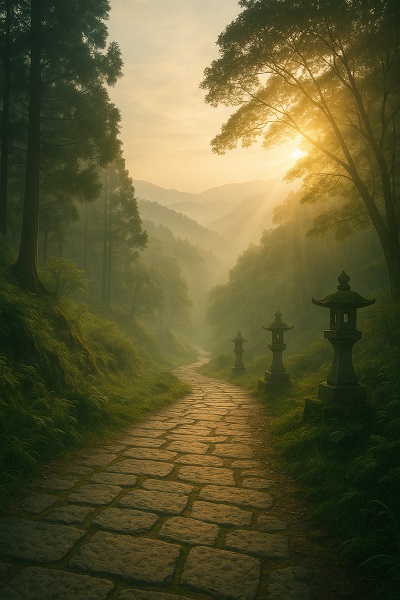
You don’t need to be religious to embark on the Shikoku Pilgrimage. Whether you're walking for healing, reflection, or adventure, the path offers something intangible: a return to presence. In Japan, where modern and ancient coexist, this spiritual journey is not only about reaching the 88th temple, but about discovering what you carry with you—and what you leave behind—along the way.