Visiting Japan? Discover the real differences between Japanese beer, happoshu, and third beer. Learn what to drink, where to find it, and how to enjoy Japan’s unique beer culture like a local!
 JapanUnveiled.com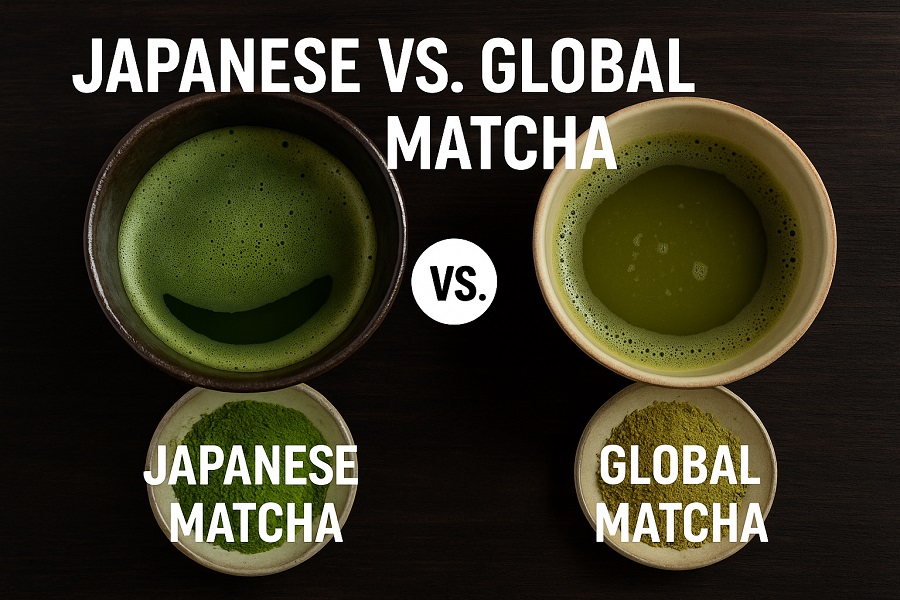
Matcha has become a global sensation, found in everything from lattes and desserts to skincare products. But not all matcha is created equal — and there's a reason why Japanese matcha stands far above the rest.
Japan cultivates tea varieties specifically for matcha, such as:
These cultivars are bred and selected for high levels of theanine (an amino acid responsible for umami), making the matcha sweet, smooth, and mellow — not bitter or astringent like lower-grade teas.
Japanese matcha comes from tencha, a type of tea grown under shade for 20–30 days before harvest.This process:
This method, called "kabuse" (covered cultivation), is a traditional Japanese technique that is rarely practiced abroad due to its complexity and labor cost.
The production of authentic matcha is meticulous:
This slow grinding (about 30g per hour per mill) preserves flavor and aroma, unlike high-speed machines that generate heat and degrade quality.
Japan’s geography — misty mountain valleys, rich volcanic soil, and humid climate — offers ideal conditions for premium tea cultivation.Regions like:
...are famous for producing some of the world’s finest matcha, supported by centuries of tradition and innovation.
Many "matcha" powders sold globally are simply green tea ground into powder, often from China or elsewhere.They may:
These products are often bitter, dull in color, and used mainly for commercial-grade purposes like flavoring snacks and beverages.
As matcha grows in popularity, it's increasingly produced outside Japan — in countries like China, South Korea, and even the U.S. However, the differences in quality can be significant. Here's how they compare:
| Feature | Japanese Matcha | Non-Japanese Matcha |
|---|---|---|
| Tea Leaf Type | Tencha (grown and processed specifically for matcha) | Often generic green tea or sencha ground into powder |
| Cultivation Method | Grown in shade (20?30 days) to increase theanine | Usually grown in full sun |
| Processing | Steamed, dried flat, stone-milled | Often machine-pulverized at high speed |
| Color | Vibrant, emerald green | Dull green or yellowish |
| Flavor Profile | Umami-rich, naturally sweet, smooth | Bitter, grassy, sometimes harsh |
| Aroma | Fresh, sweet, slightly nutty | Faint or earthy aroma |
| Use Case | Tea ceremony, premium culinary uses | Mass-produced matcha lattes, processed food |
| Price | Higher due to artisanal quality | Lower, bulk-produced |
| Authenticity | Backed by centuries of tradition & regional branding | May lack traceability or regional identity |
Even though matcha is now grown globally, authentic Japanese matcha remains the global benchmark for a reason: the harmony of craftsmanship, terroir, and tradition. The care taken from the field to the cup is unmatched, making Japanese matcha not just a drink — but a cultural experience.
If you’re seeking the real matcha experience — one that’s rich in taste, vibrant in color, and steeped in tradition — look for matcha sourced directly from Japan, ideally labeled with:
Japan's tea leaves aren’t just suitable for matcha — they define what matcha truly is.