Visiting Japan? Discover the real differences between Japanese beer, happoshu, and third beer. Learn what to drink, where to find it, and how to enjoy Japan’s unique beer culture like a local!

 JapanUnveiled.com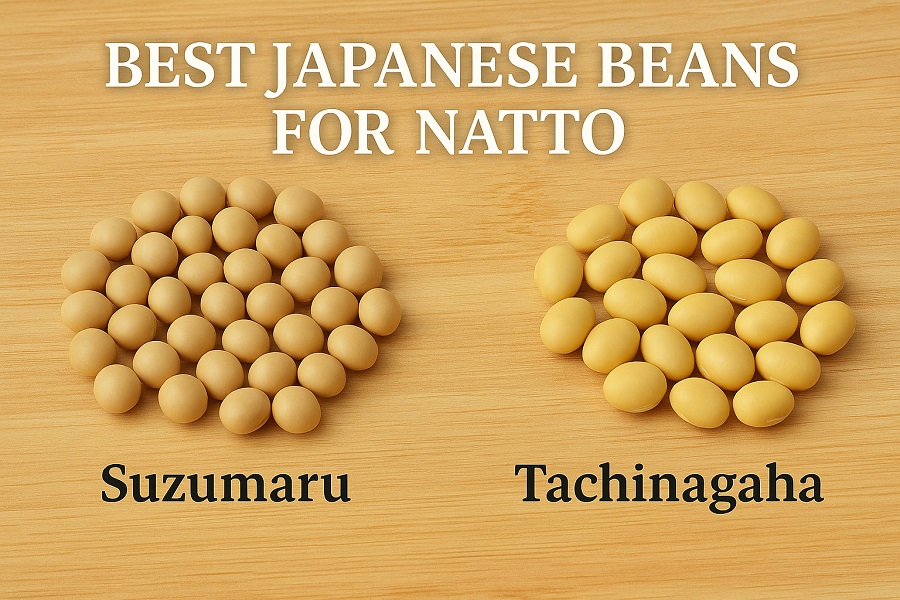
If you've already fallen in love with natto—or at least developed a curiosity about this bold, fermented Japanese food—you might think you've seen it all. But here's a secret that many outside of Japan don't know:
The flavor, texture, and aroma of natto vary dramatically depending on the type of soybean used.
Just like wine lovers care about grape varieties, true natto aficionados pay attention to the soybean cultivar. In Japan, where natto is both a traditional staple and an artisanal craft, two beans stand out for their excellence in natto-making: Suzumaru and Tachinagaha.
Let’s dive into what makes them special.
Most commercial natto outside Japan is made from generic small soybeans, often imported and selected primarily for cost or ease of fermentation. However, in Japan, specialized varieties are bred and selected specifically for natto, with traits like:
This is where Suzumaru and Tachinagaha shine.
Origin: Hokkaido, Japan
Type: Small soybean
Use: Widely used in commercial and artisan natto
Key Characteristics:
Why Natto Lovers Choose Suzumaru:
Suzumaru natto has a perfect balance of stickiness, softness, and flavor depth. The stringiness is strong without being gooey, and the mild aroma makes it welcoming to newcomers while still satisfying seasoned natto fans.
If you want to taste classic, clean, high-quality natto, Suzumaru is your bean.
Origin: Niigata and surrounding prefectures
Type: Small to medium-sized soybean
Use: Specialty natto and gourmet brands
Key Characteristics:
Why It Stands Out:
Tachinagaha is for those who want a deeper natto experience—the kind that pairs beautifully with steamed rice, raw egg yolk, and a dash of soy sauce. It's not for the faint of heart, but for natto lovers seeking complexity, this bean delivers a powerful umami punch.
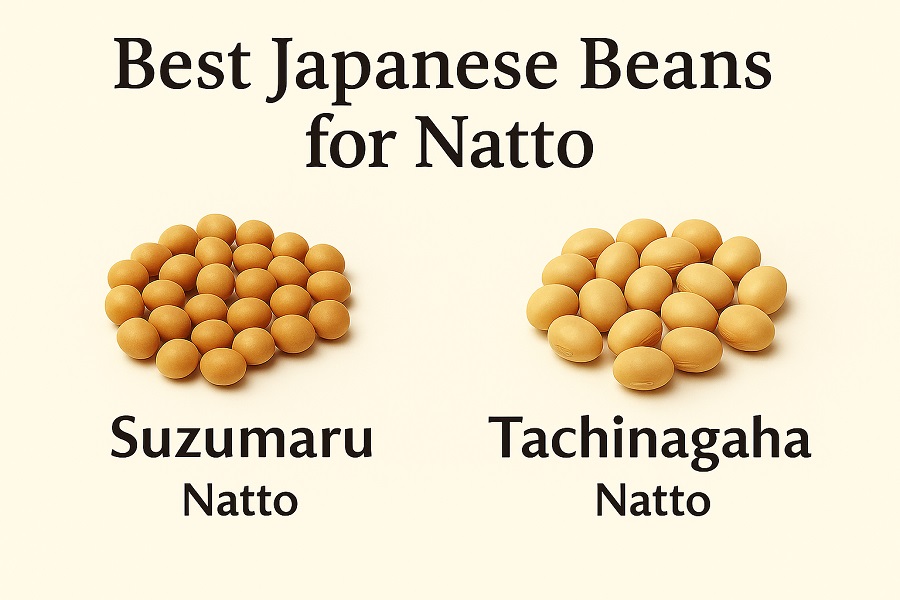
| Feature | Suzumaru | Tachinagaha |
|---|---|---|
| Flavor | Mild, nutty, balanced | Rich, earthy, intense |
| Texture | Soft, consistent | Firm with satisfying bite |
| Stickiness | High, smooth | Very high, bold |
| Aroma | Gentle | Strong, fermented-forward |
| Best for... | Beginners & purists | Adventurous eaters & gourmet fans |
If you’re new to natto, start with Suzumaru. But if you're ready to level up and explore deeper, more complex notes, Tachinagaha is the way to go.
In Japan, several artisan brands and regional producers proudly label their natto with the bean variety. You can look for:
Online specialty stores and Japanese organic markets may also carry these under premium categories.
If you're outside Japan, these can be harder to find—but not impossible. Some Japanese supermarkets abroad carry frozen artisan natto, and a few importers offer "Japan domestic soybeans" labels.
To truly understand the difference a bean can make, you need to try freshly made natto in Japan, where regional varieties and craftsmanship bring out the full potential of each soybean.
In cities like Sendai, Mito, or even rural food markets in Hokkaido, you’ll find natto that tells a story—of soil, season, and variety.
So next time you're in Japan, don’t just eat natto—ask about the beans.