Discover why Japan’s vacant homes attract foreign buyers—and why understanding earthquake risks and seismic standards is crucial before investing in property.

 JapanUnveiled.com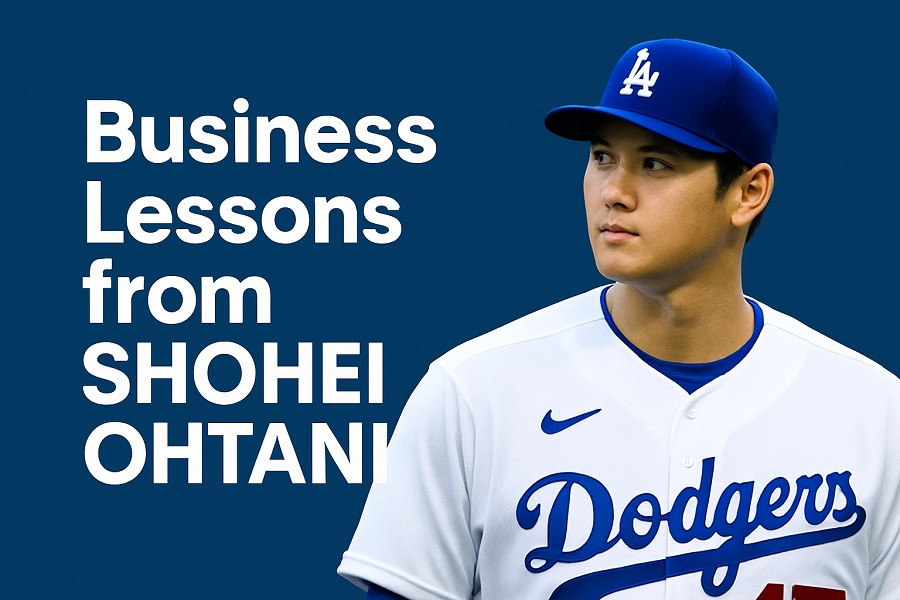
Shohei Ohtani is not just a baseball superstar — he is a symbol of 21st-century excellence. His ability to dominate as both a pitcher and a hitter has shattered long-standing assumptions about specialization in professional sports. But what makes Ohtani truly remarkable is not just what he does on the field, but how he does it — with discipline, humility, and quiet determination.
Business leaders across the world would be wise to pay attention. Ohtani’s success story is more than an athletic feat — it’s a case study in modern leadership, adaptability, and performance strategy.
In a world that often forces individuals to choose one path, Ohtani said “both.”
He became an elite pitcher and an elite hitter — something the modern game of baseball said was nearly impossible. Yet, with structure, purpose, and training, he achieved what most assumed couldn’t be done.
Lesson for business: The era of rigid job titles is fading.
Today’s best talent can straddle disciplines — engineer and strategist, designer and marketer, analyst and communicator.
Encourage your team to develop cross-functional skills. Don’t box people into roles. Invest in range.
Ohtani’s public image is humble, soft-spoken, and focused. He rarely seeks the spotlight, even though it follows him everywhere.
What stands out is his relentless attention to preparation — diet, sleep, recovery, video analysis, and mental conditioning. He is not just showing up to play; he’s building a system for peak performance.
Lesson for business: Flashy moments may get attention, but consistent, well-planned processes win in the long term.
Productive cultures value preparation, feedback loops, and discipline — not just passion or charisma.
Leaders should model consistency, not noise.
Ohtani doesn’t lead through speeches or slogans. He leads through example. His teammates respect him not because he demands authority, but because he earns it.
He accepts pressure, owns his performance, and never blames others.
Lesson for business: The most effective leaders today aren’t necessarily loud or dominant. They are clear, reliable, and self-accountable.
Trust is built through behavior, not bravado.
Ohtani moved from Japan to the United States at a young age, entering a highly competitive and culturally different environment. He quickly adapted — learning the language, adjusting to the lifestyle, and excelling despite immense pressure.
Lesson for business:
In a global economy, the ability to adapt across cultures, work across time zones, and communicate across language barriers is crucial.
Global teams need global minds.
Ohtani embodies emotional intelligence in cross-cultural settings.
While many athletes burn out chasing short-term peaks, Ohtani builds for longevity. His routines emphasize recovery, efficiency, and focus, not just effort.
He understands that success is not a sprint — it’s a carefully managed marathon.
Lesson for business:
Avoid glorifying burnout. Create systems that support high performance without sacrificing well-being.
Long-term success depends on designing healthy, sustainable workflows — for yourself and your teams.
Shohei Ohtani isn’t just an athlete; he’s a metaphor.
For adaptability. For humility. For pushing boundaries without losing balance.
He shows that elite performance and character can coexist — and that greatness doesn’t have to come at the cost of integrity or humanity.
In a world of hype, he reminds us:
You don’t have to be loud to lead. You just have to show up prepared, do the work, and do it well — every day.