Explore Japan’s “randoseru craze”—why families start shopping for school backpacks up to a year in advance, and how tradition meets modern marketing.
 JapanUnveiled.com
Every morning in Japan, streets fill with a familiar sight: uniformed elementary school children walking to school with sturdy, colorful, box-shaped backpacks strapped to their backs. These are not just any school bags—they’re randoseru, a uniquely Japanese tradition that blends form, function, and deep cultural meaning.
But what exactly is a randoseru, and why has it remained virtually unchanged for over a century?
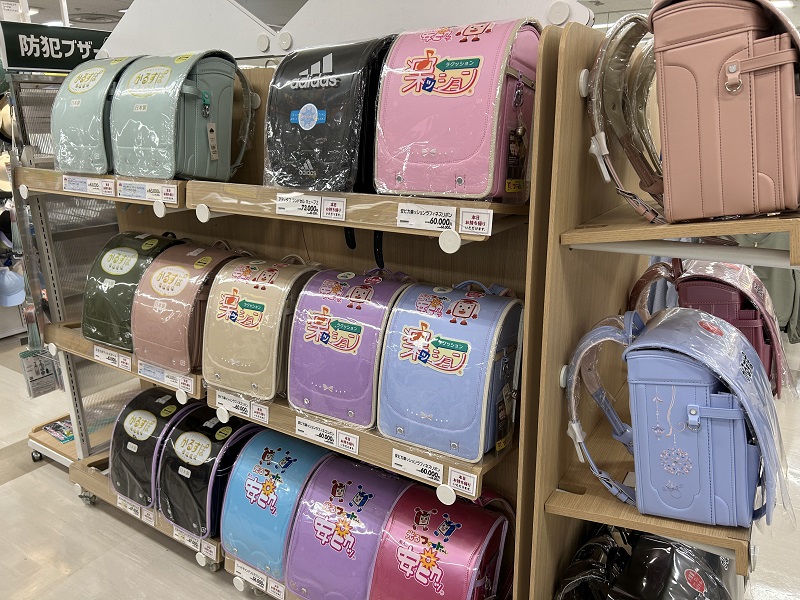
A randoseru is a firm, structured backpack traditionally used by Japanese elementary school students from first to sixth grade. The word "randoseru" comes from the Dutch word ransel, meaning "backpack"—a linguistic trace of Japan’s brief period of Dutch influence during the Edo era.
Unlike soft school bags seen elsewhere, randoseru are known for their boxy shape, high durability, and formal appearance. Most are made from leather or synthetic materials, with reinforced stitching, a hard shell, and metal fittings that keep the bag intact throughout six years of daily use.
They typically weigh around 1.2 kilograms (2.6 lbs) when empty and are designed to evenly distribute weight across a child’s back and shoulders—an important feature, considering how many textbooks young students carry.
The randoseru's history dates back to the late 1800s. Inspired by military rucksacks used in the Dutch army, the backpack was first introduced to Japan’s elite schoolchildren at Gakushūin, a school established for the children of the nobility. The idea was to promote discipline and self-reliance, with students carrying their own belongings.
By the 1950s, the randoseru became standard issue for all Japanese elementary school students, and its design has changed very little since then. What was once a marker of aristocracy is now a symbol of childhood shared by nearly every Japanese citizen.
👉 [Want to know how this simple school bag became a multi-million dollar industry? Read Vol.2: “The Randoseru Craze: When Japanese Parents Start Shopping a Year in Advance.”]
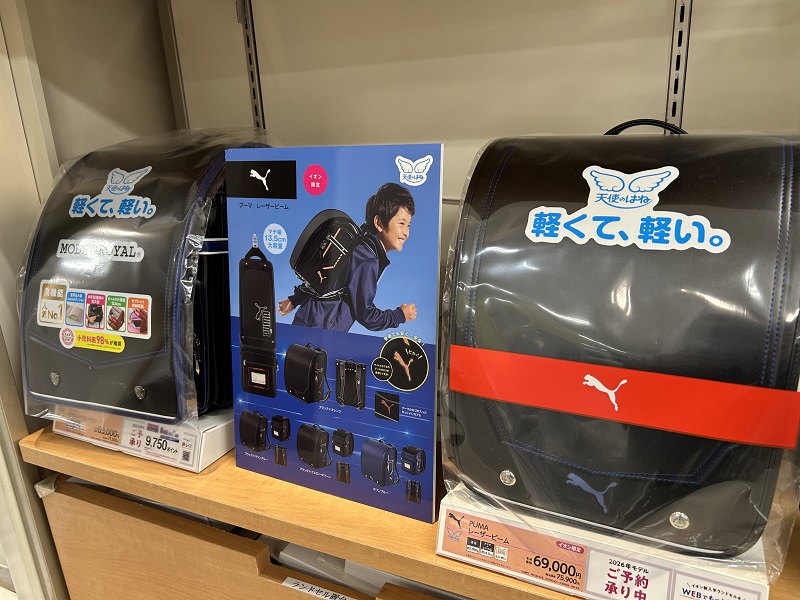
To Japanese families, a randoseru is much more than a utilitarian object. It represents a rite of passage—a child’s entry into formal education and society.
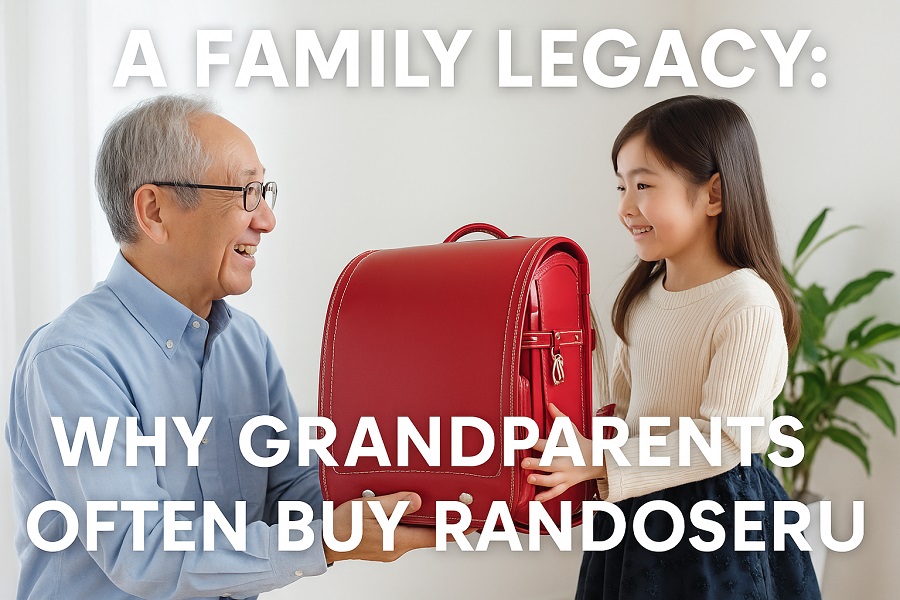
In many families, grandparents proudly present a randoseru as a gift before the child begins first grade. The gesture symbolizes support, hope, and long-term commitment. After all, this one bag is expected to last all six years of elementary school.
In that sense, the randoseru embodies Japanese values like durability, responsibility, and tradition. Children are taught to care for it, reinforcing the idea of respecting one's belongings—a foundational part of Japanese upbringing.
👉 [Explore the deeper meaning behind this tradition in Vol.4: “A Family Legacy: Why Grandparents Often Buy Randoseru.”]
While the traditional randoseru was either black (for boys) or red (for girls), today’s versions come in an astonishing array of colors—turquoise, silver, lavender, and even gold. There are also gender-neutral options, custom embroidery, and limited-edition models created by high-end fashion brands.
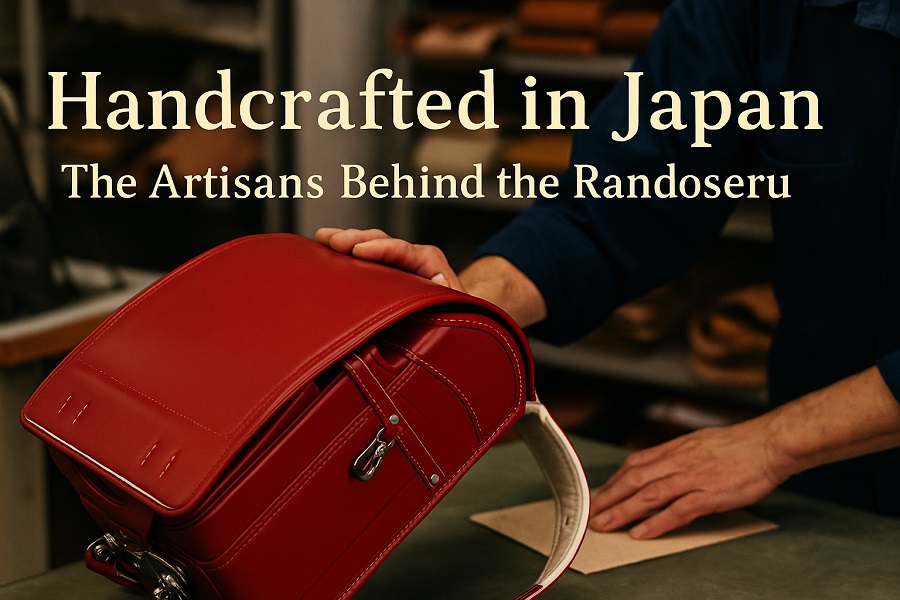
Prices range widely, from affordable mass-produced options to handcrafted artisan randoseru that can cost upwards of ¥100,000 ($800+ USD). These artisan bags are often made in Japan’s leatherworking hubs, such as Toyooka or Nara.
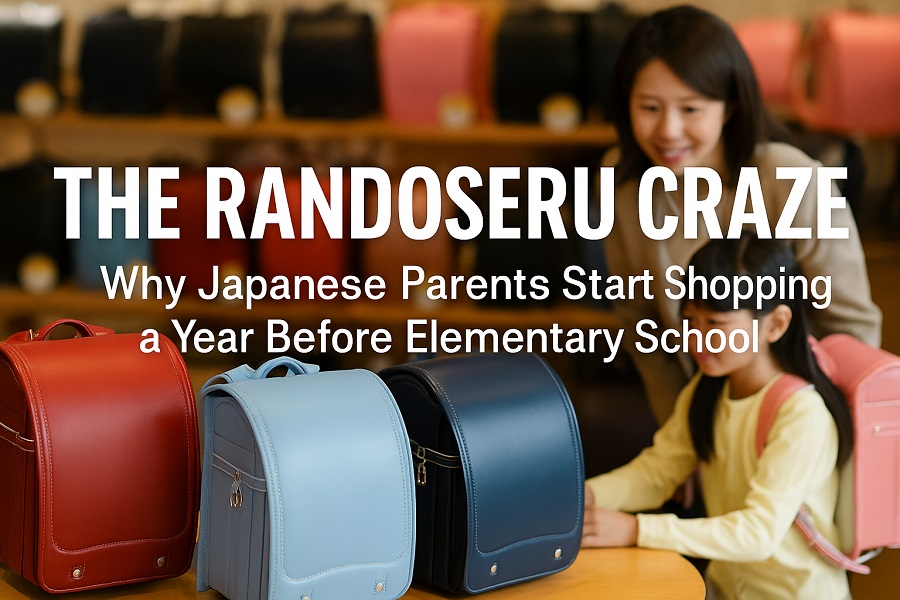
This surge in options has led to an annual phenomenon known as “Randoseru Fever” or “ラン活 (rankatsu)”, where parents (and especially grandparents) start shopping a full year before school begins to secure the perfect bag.
👉 [Discover the world of artisan craftsmanship in Vol.3: “Handcrafted in Japan: The Artisans Behind the Randoseru.”]
👉 [Or dive into the marketing frenzy in Vol.2: “The Randoseru Craze.”]
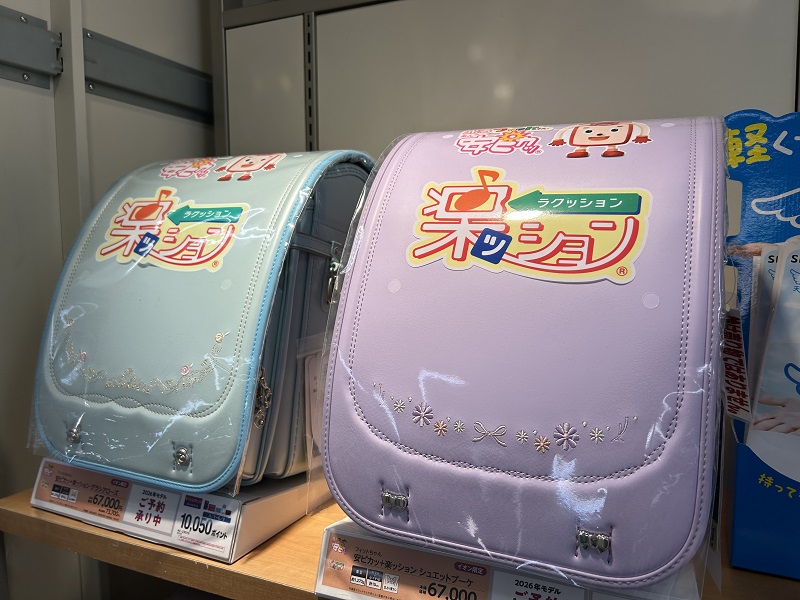
From its roots in military utility to its status as a modern cultural icon, the randoseru remains one of Japan’s most recognizable and beloved symbols of childhood. It’s a product of tradition, craftsmanship, and emotion—all wrapped in one durable, boxy frame.
Whether you see it as a practical school bag or a nostalgic marker of growing up, the randoseru offers a fascinating glimpse into Japanese life.
👉 Next in the series: Vol.2 – “The Randoseru Craze: When Japanese Parents Start Shopping a Year in Advance”
👉 Or skip ahead to Vol.5 – “Beyond Japan: How the Randoseru Went Global”