Discover the best time and places to see cherry blossoms in Japan, even if you miss the peak in Tokyo. Travel tips and 2025 sakura forecast included.

 JapanUnveiled.com
Every spring, millions of people from around the world travel to Japan, drawn by the dream of standing under a canopy of soft pink cherry blossoms — sakura — floating like clouds above serene parks and ancient temples. It’s a poetic image that floods Instagram, travel blogs, and guidebooks.
But how closely does that image reflect reality?
If you're planning your first sakura trip to Japan, here's a gentle but honest look at what to expect — and why the true beauty of cherry blossoms goes beyond just the photos.
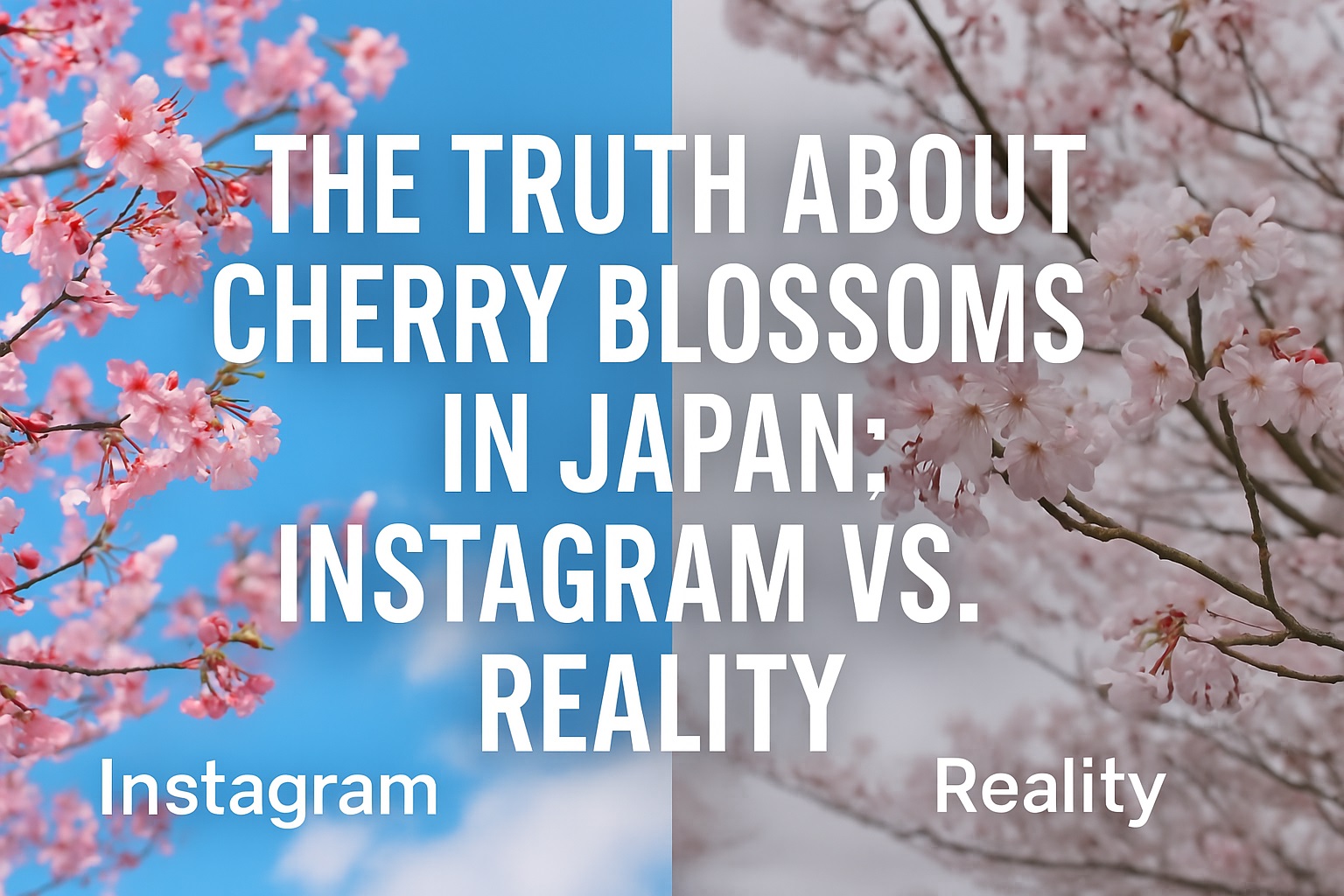
Search “cherry blossoms Japan” online, and you’ll be met with breathtaking images: rows of vivid pink trees under perfect blue skies, with not a single tourist in sight. What you may not realize is that many of those photos are heavily edited — with boosted contrast, saturated colors, and clever framing to cut out the crowds.
In reality, sakura petals are very pale — often a soft white with just a blush of pink — and depending on lighting and background, they can appear quite subtle or even washed out. The scene is still beautiful, but much more delicate and understated than many online photos suggest.
What you see also depends on the weather — a factor that many first-time visitors underestimate.
Cherry blossoms bloom in early spring, a season known in Japan for unpredictable weather. On a sunny day, the blossoms glow in the sunlight, and their soft colors pop against a clear blue sky. But under cloudy or rainy skies, the colors become muted. The blossoms can blend into the gray background, and the atmosphere feels much more subdued.
Some travelers expecting vibrant, fairytale-like views may be surprised — or even disappointed — by the more somber, natural look of sakura under cloudy skies. But that’s part of the charm: a fleeting, weather-dependent beauty that mirrors the seasons themselves.
Another surprise for many visitors is the sheer number of people at popular sakura spots. Hanami (flower viewing) is not just for tourists — it’s a national event in Japan, with locals gathering for picnics, family outings, and parties under the trees.
Getting that serene, solitary photo you saw online? Much harder than it looks.
Plus, cherry blossoms bloom at different times depending on the region, weather conditions, and even the type of tree. If you arrive too early or too late, you may miss the full bloom entirely — which usually lasts only about a week.
So, is it all overhyped?
Not at all.
While the blossoms themselves may be more subtle than expected, the experience of being in Japan during sakura season is unforgettable. The air feels different. The streets are lined with petals. People slow down. There’s a sense of shared appreciation — of enjoying something beautiful together, knowing it won’t last long.
In Japanese culture, cherry blossoms represent impermanence — a reminder that life is fleeting, and that beauty is most precious when it’s brief. Even on a cloudy day, even among the crowds, there’s something quietly powerful about watching the petals fall.
Manage your expectations. Don’t rely too much on Instagram for a realistic view.
Check the forecast, but don’t worry if it’s not sunny. Cloudy days offer their own kind of calm, poetic beauty.
Go early in the morning or visit lesser-known spots to avoid crowds.
Embrace the full experience — have a hanami picnic, try sakura-themed treats, and just enjoy being there.
Learn a bit about the culture, so you can appreciate the deeper meaning behind the blossoms.
Cherry blossoms may not always match the dreamy photos you’ve seen — and that’s okay.
Because what makes sakura season so special isn’t the picture-perfect scenery, but the feeling it creates: a moment of stillness, of reflection, of quiet joy in the present.
And that’s something no filter can capture.
🌸 Planning a trip to Japan for cherry blossom season?
Let this be your gentle reminder: you’re not just going to see flowers — you’re going to feel something. And that’s worth more than a thousand likes.