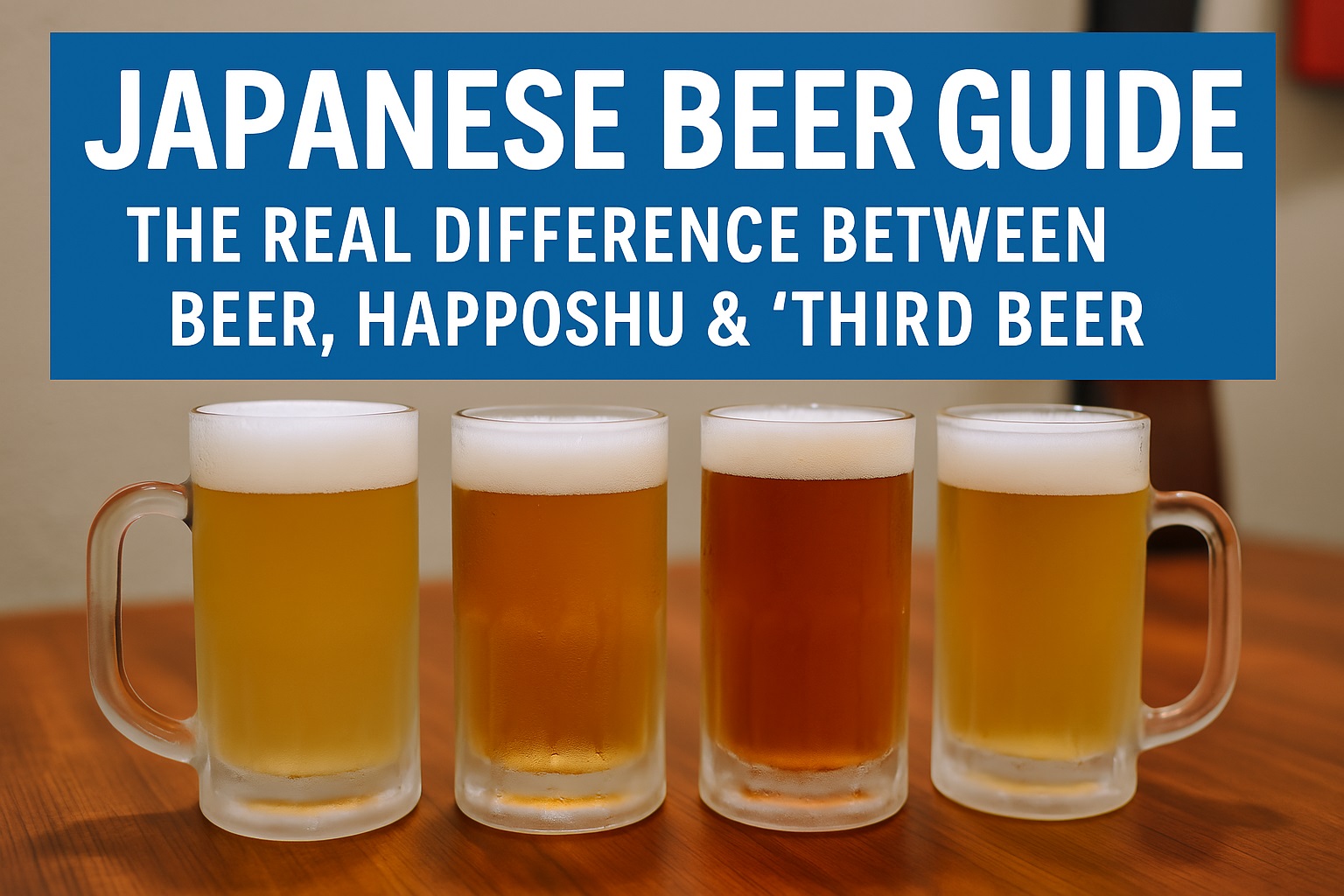
Visiting Japan? Discover the real differences between Japanese beer, happoshu, and third beer. Learn what to drink, where to find it, and how to enjoy Japan’s unique beer culture like a local!
 JapanUnveiled.com
Tips for Enjoying This Fermented Superfood Even Outside Japan
If you're a fan of Japanese cuisine or on a quest to discover healthy fermented foods, you've likely come across natto—a sticky, pungent, and protein-packed food made from fermented soybeans. In Japan, natto is a breakfast staple and is praised for its numerous health benefits.
But outside Japan, most people encounter natto in frozen form, especially at Asian grocery stores. That raises a key question:
This article will explore how freezing affects natto’s nutrition, how to properly thaw it, and how to get the most out of this powerful superfood—even from your freezer.
Before we discuss freezing, let’s understand why natto is considered a “superfood” in the first place. Natto offers a rare combination of nutrients and beneficial compounds, including:
Freezing natto is a common way to preserve it for export and long-term storage. The good news is that most of natto’s nutritional value survives freezing, but some components may be affected. Here's how:
| Nutrient/Component | Effect of Freezing |
|---|---|
| Nattokinase (enzyme) | Slightly reduced activity after freezing/thawing |
| Probiotic bacteria | Some bacteria die, but beneficial effects remain |
| Vitamin K2 | Stable ? unaffected by freezing |
| Soy protein & isoflavones | Remain largely intact |
| Flavor & texture | May become slightly milder or less sticky |
The two main concerns are:
However, these are not reasons to avoid frozen natto. With proper handling, you can still gain nearly all the health benefits.
Here are four science-backed tips to get the most out of your frozen natto:
Avoid microwaving. Let natto thaw slowly in the refrigerator over several hours. This preserves sensitive enzymes like nattokinase and prevents protein degradation.
Once thawed, do not refreeze. Repeated freeze-thaw cycles degrade the nutritional quality and texture.
Do not cook natto or use it in hot dishes that require boiling. High heat (above 60°C / 140°F) destroys nattokinase and probiotic bacteria.
For maximum freshness and health benefits, eat thawed natto within 24–48 hours.
| Feature | Frozen Natto | Fresh Natto (Japan) |
|---|---|---|
| Nattokinase activity | Moderate | High |
| Probiotic content | Partially reduced | Fully active |
| Flavor/texture | Slightly mellowed | Stronger aroma & stickiness |
| Availability | Global (via import) | Mainly in Japan |
| Shelf life | Long (months) | Short (1-2 weeks) |
Conclusion: While frozen natto may be slightly milder in both health impact and flavor, it remains a nutrient-rich, practical option for people outside Japan.
Q: Is it okay to eat frozen natto every day?
Yes, daily consumption of natto—even frozen—is generally safe and beneficial. It’s especially good for heart health and bone strength. However, if you are on blood thinners (e.g., warfarin), consult a doctor due to natto’s high vitamin K2 content.
Q: Can I microwave frozen natto to thaw it?
Not recommended. Microwaving can rapidly heat the natto, damaging sensitive enzymes and probiotics. Use natural thawing in the fridge for best results.
Q: Does freezing affect the taste of natto?
A little bit. Some people say frozen natto is less pungent and has a softer texture—but many find it more approachable this way.
Try adding these toppings to improve taste and nutrition:
While frozen natto offers a great introduction, there’s nothing quite like tasting fresh natto in Japan, where it’s made daily and served in countless delicious variations. From sushi rolls to rice bowls to high-end vegan cafes, natto is woven into Japan’s culinary culture.
If you ever visit Japan, do yourself a favor—order a traditional Japanese breakfast with fresh natto. You’ll not only nourish your body, but you’ll also experience a unique piece of Japan’s food heritage firsthand.
Frozen natto is a convenient and powerful way to enjoy one of the healthiest fermented foods on Earth—no matter where you live. By handling it with care, you can preserve most of its nutrition and still reap its many benefits.
So go ahead: open that little frozen pack, give it a good stir, and enjoy the sticky goodness—your body will thank you.