Discover the cultural meaning behind Japan’s iconic school backpack—the randoseru. Learn its history, design, and why Japanese children carry the same bag for six years.

 JapanUnveiled.com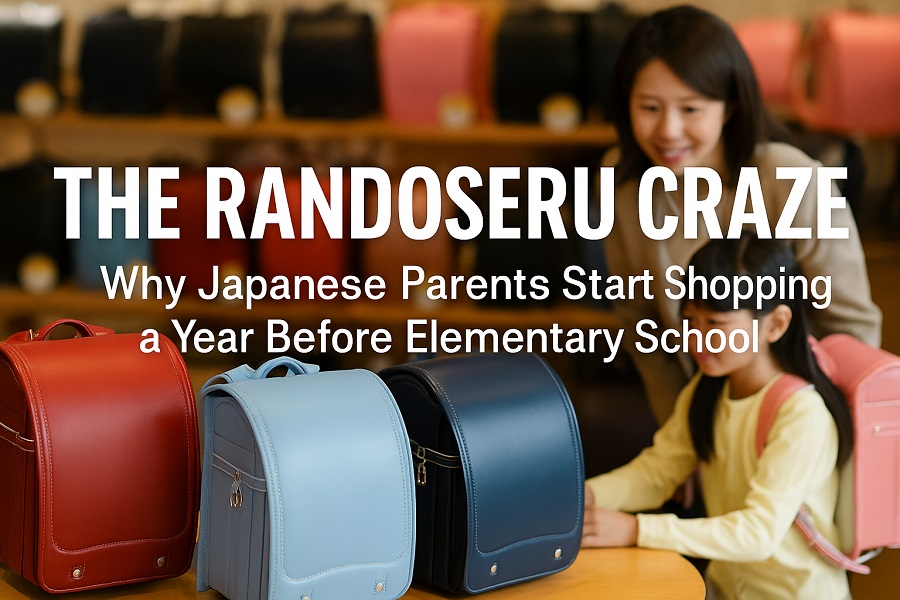
The Randoseru Craze: Why Japanese Parents Start Shopping a Year Before Elementary School
In Japan, buying a school backpack for your child is not a last-minute errand. It’s an event. A year before elementary school even begins, many families dive headfirst into a growing national phenomenon known as “randoseru fever”—or more colloquially, “ラン活 (rankatsu),” short for randoseru katsudō (ランドセル活動), meaning “backpack-hunting activity.”
But what’s driving this early, often intense scramble for a schoolbag?
"Rankatsu" is a modern Japanese buzzword that describes the entire process of researching, comparing, reserving, and purchasing a randoseru. It typically begins in the spring or early summer a full year before a child starts first grade.
While this may sound extreme to outsiders, in Japan it has become the norm—especially for parents and grandparents who want to secure:
This highly strategic, seasonal process has turned the act of buying a backpack into a social and emotional milestone.
👉 New to randoseru culture? Start with Vol.1: “What Is a Randoseru?”
There are several factors behind this early shopping phenomenon:
Popular manufacturers—especially handmade brands like Tsuchiya Randoseru or Seiban—offer limited inventory. These often include customized stitching, name tags, color combinations, and add-ons, which can take months to produce.
In many cases, grandparents purchase the randoseru as a symbolic gift. Because it’s a big investment (bags often cost $400–$800), families want to make a well-informed choice.
Brands now release catalogs, open seasonal pop-up shops, and run pre-order events as early as April–June—the year before school starts. Parents who wait until fall or winter often find fewer choices.
The randoseru craze isn’t just cultural—it’s also commercial. Over the past two decades, bag makers have successfully turned this into a seasonal shopping tradition, similar to Christmas in the West or back-to-school shopping in the U.S.
Add to that the power of social media—where parents post "randoseru reveal" photos—and you get a subtle form of pressure to get the “perfect” bag. This, in turn, pushes the cycle earlier each year.
It’s no longer just about buying a schoolbag. It’s about status, sentiment, and storytelling.
👉 Want to learn about the artisans behind these prized backpacks? Read Vol.3: “Handcrafted in Japan: The Artisans Behind the Randoseru.”
Despite the frenzy, there’s still a sincere emotional layer beneath all this.
Buying a randoseru is a symbolic moment in a child’s life. It marks their step into formal education, their growth, and their family’s support. For many parents, starting early is not about competition—it’s about preparing something truly special.
The randoseru craze is a curious mix of tradition and consumerism. What started as a simple school supply has become a cultural event—one that reflects not only Japan’s values of preparation and aesthetics, but also its changing family dynamics and market forces.
As Japan continues to modernize, this old-school accessory shows no signs of losing its charm—or its marketing power.
👉 Next up: Vol.3 – “Handcrafted in Japan: The Artisans Behind the Randoseru”
👉 Or go back to Vol.1 – “What Is a Randoseru?”