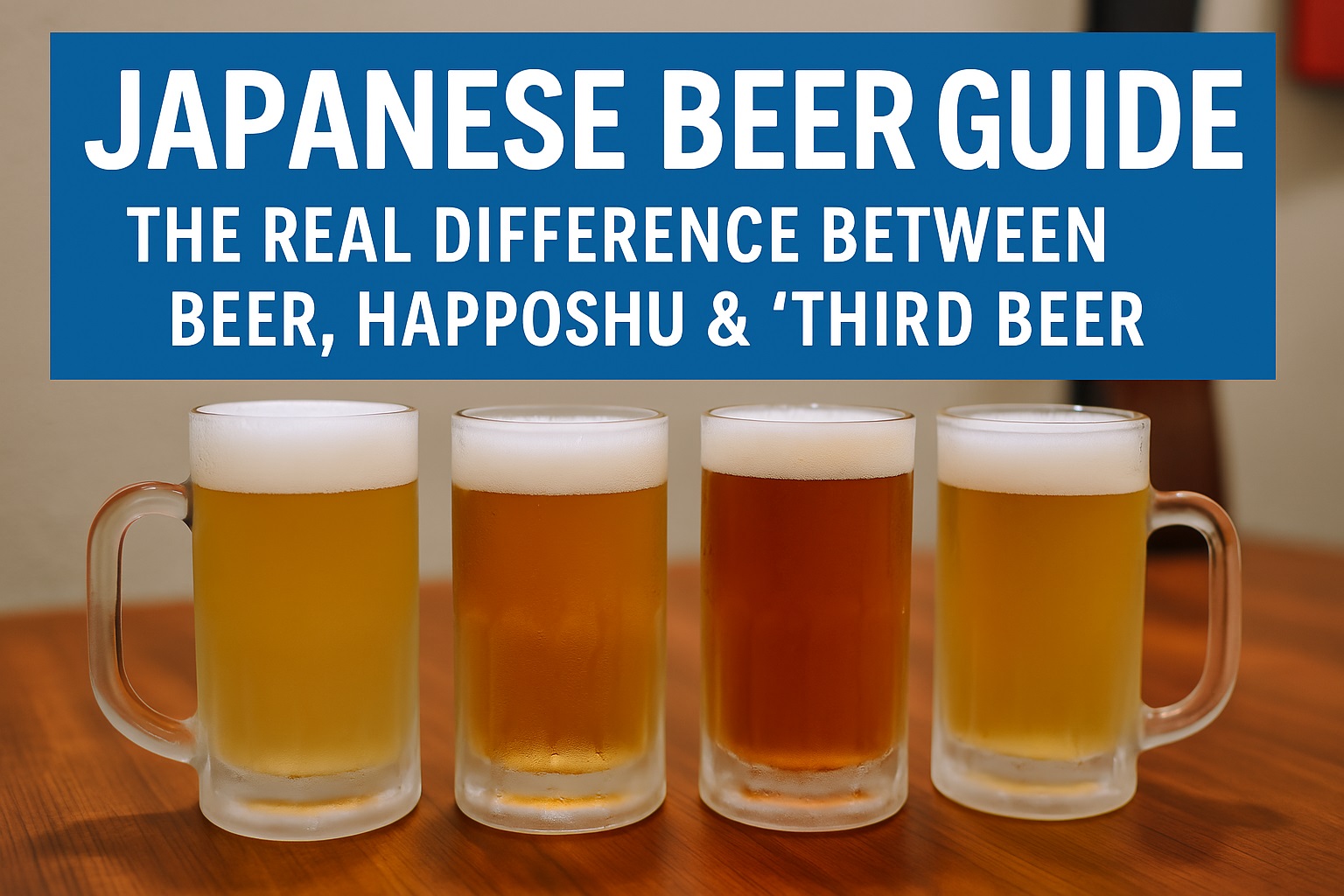
Visiting Japan? Discover the real differences between Japanese beer, happoshu, and third beer. Learn what to drink, where to find it, and how to enjoy Japan’s unique beer culture like a local!
 JapanUnveiled.com
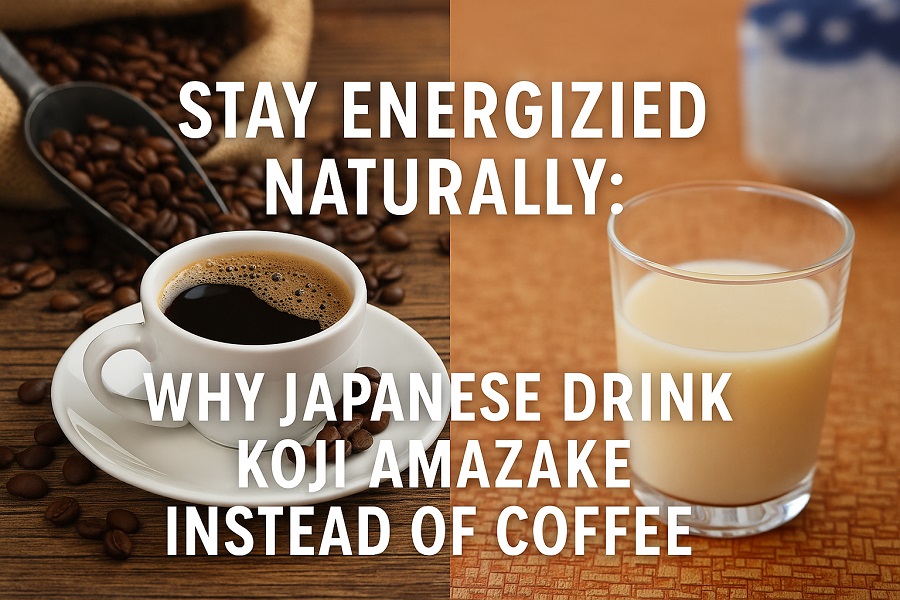
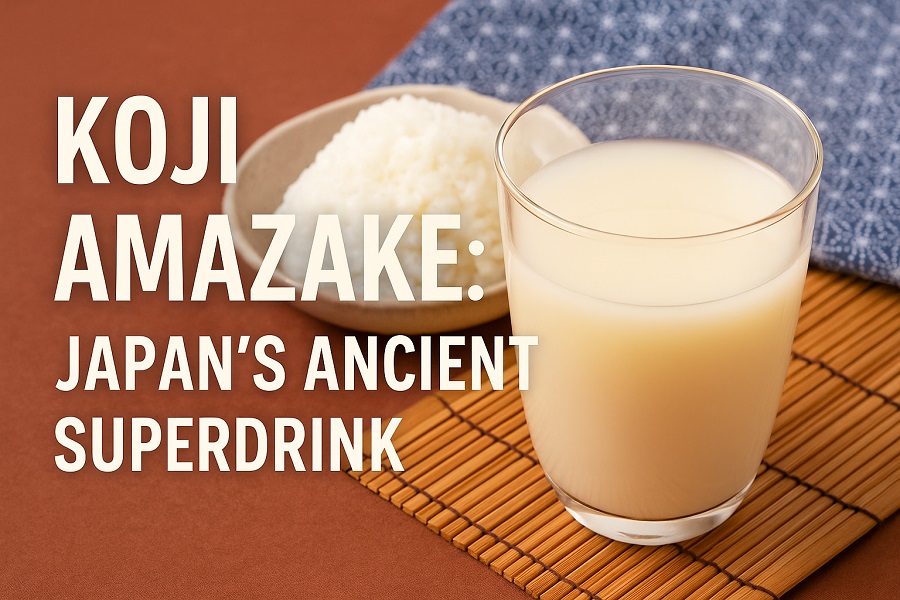
If you're looking for a morning boost but want to cut back on caffeine, there's a delicious, natural alternative loved in Japan: koji amazake. This traditional fermented rice drink has been cherished for centuries not just for its gentle sweetness, but also for its energizing effects—all without the crash that comes from coffee.
Coffee may offer a quick energy jolt, but it often comes with side effects:
If you've ever experienced a late-morning slump or needed a second (or third) cup to get through the day, you know the cycle.
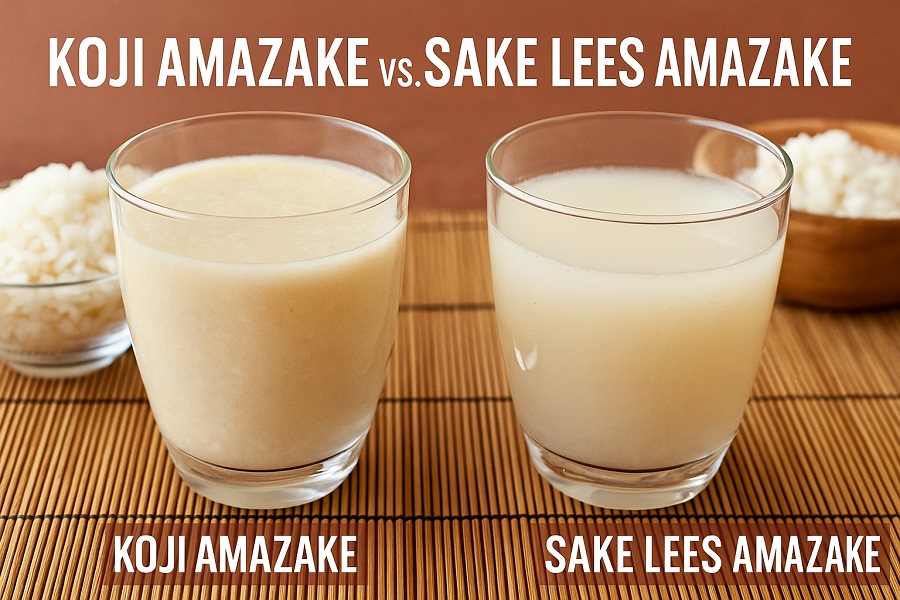
Koji amazake is made by fermenting rice with rice koji (Aspergillus oryzae). During the process, the enzymes in the koji break down rice starches into simple sugars, resulting in a naturally sweet, nutrient-rich drink.
What makes it energizing?
Provides steady energy without spikes and crashes. It fuels your brain and muscles in a balanced way.
Koji amazake is rich in B1, B2, B6, and B12—all crucial for converting food into energy and maintaining stamina.
Supports recovery and alertness without overstimulating the nervous system.
Aid digestion, meaning your body can absorb nutrients more efficiently.
In Japan, amazake has long been consumed as a morning or seasonal pick-me-up:
Far from being just a health fad, it's part of Japanese culinary tradition.
| Benefit | Koji Amazake | Coffee |
|---|---|---|
| Energy type | Slow, steady release | Fast jolt, quick drop |
| Caffeine | 0% | High |
| Supports digestion | Yes | Sometimes irritates |
| Sleep impact | None | May disrupt sleep |
| Child-friendly | Yes | No |
| Nutritional value | High (B vitamins, enzymes) | Minimal |
No coffee machine required—just pour, sip, and energize.
Koji amazake offers a calm, balanced kind of energy that supports both body and mind. It won't spike your heart rate or leave you crashing in the afternoon. Instead, it delivers nutrients and natural sugars your body knows how to use.
If you're ready to break free from caffeine dependence, give this traditional Japanese superdrink a try. You might just find your new morning ritual.
Note: This article was created based on insights from the Japanese book “砂糖の代わりに糀甘酒を使うという提案” (Use Koji Amazake Instead of Sugar), authored by Kenji Maebashi and Kyoko Amako, published in 2020 by Ascom.