Discover why Japan’s vacant homes attract foreign buyers—and why understanding earthquake risks and seismic standards is crucial before investing in property.

 JapanUnveiled.com
Japan’s children study harder than most. But is all that effort making the country stronger?
In Japan, school doesn’t end when the final bell rings.
For millions of kids, the next stop is juku — cram school.
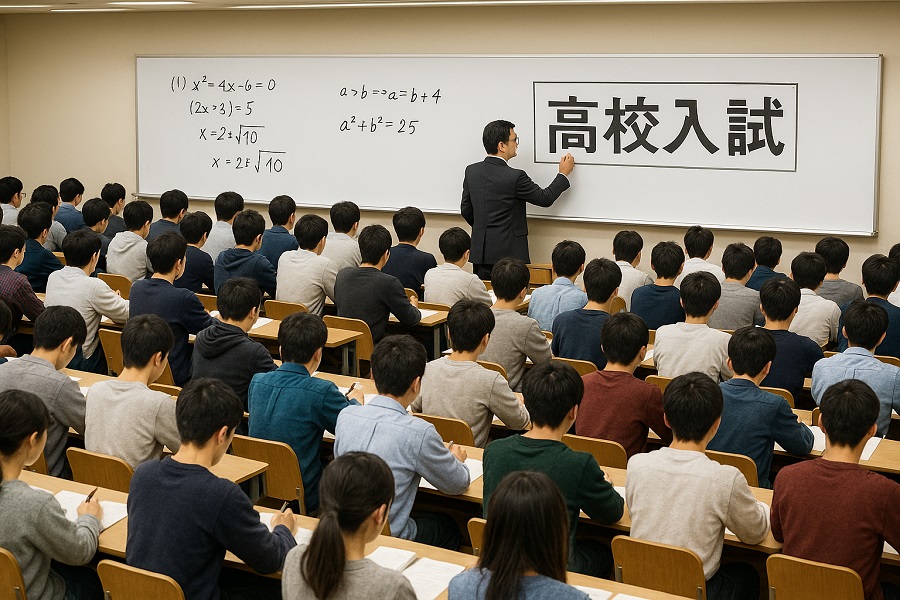
Parents invest heavily. Children spend long hours drilling math problems and memorizing English vocabulary. Cram schools have become such a fixture of life that Japan now has over 50,000 of them — about as many as convenience stores.
It’s an impressive system. But here's a big, important question:
All this studying — is it actually making Japan more competitive in the world?
Let’s be clear — Japan’s cram school culture produces results.
By many standards, it’s a success story.
But national strength today isn’t just about how much you know — it’s about what you can create with that knowledge.
And that’s where the story gets more complicated.
Japan is famous for its quality products — cars, electronics, robots. But when it comes to breakthrough innovation, startup culture, and scientific leadership, Japan is falling behind.

Take a look at the global landscape:
| Area | Japan | U.S. |
|---|---|---|
| Tech unicorns | Few | Many |
| Global startups | Limited | Dozens |
| Nobel Prizes (recent years) | Some | Far more |
| Top-ranked universities | Few | Many |
In short: Japan produces top students, but fewer world-changing ideas.
Japan’s cram school industry is worth over ¥1 trillion ($7 billion) a year. Families pour in money, time, and energy — hoping it leads to opportunity.
But as a national strategy, the return on investment is unclear.
Why?
Japan’s education system — and cram schools in particular — are incredibly good at teaching:
But today’s world needs:
Unfortunately, those qualities are often underdeveloped in test-focused environments. So while Japan’s students are capable and disciplined, they may not be equipped to disrupt, lead, or reinvent.
Other nations have taken very different paths:
| Country | Education Focus | Global Impact |
|---|---|---|
| Finland | Creativity, equity | High innovation, happy students |
| Israel | STEM, risk-taking | Leading startup ecosystem |
| U.S. | Diverse learning styles | Dominates tech & media sectors |
These systems may not produce perfect scores — but they produce bold thinkers and global leaders.
Cram schools aren’t all bad. They’ve helped Japan maintain strong academic performance and a culture of diligence. But national strength today isn’t just about test scores.
Maybe it's time to ask:
What if we invested more in ideas than in answer sheets?
Japan’s cram school culture reflects a deep respect for education — and that’s admirable.
But if the goal is to build a more creative, resilient, globally competitive society, then more tests may not be the answer.
Instead, we might need to rethink:
“What Can the World Learn from Japan’s Education Paradox?”