Reviving Japan's Vacant Homes: A Golden Opportunity with a Seismic Caveat
Discover why Japan’s vacant homes attract foreign buyers—and why understanding earthquake risks and seismic standards is crucial before investing in property.
 JapanUnveiled.com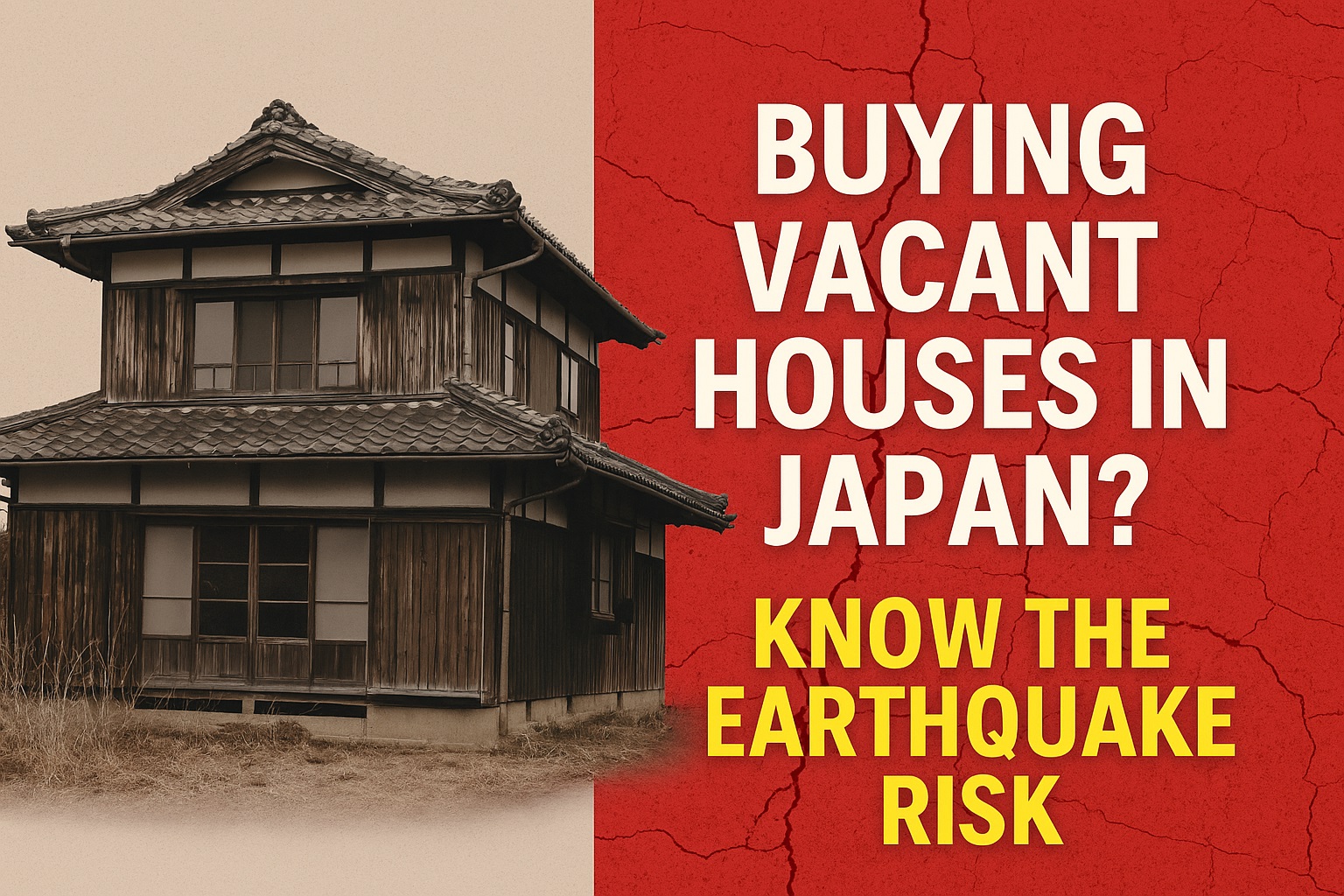
Japan, renowned for its rich cultural heritage and picturesque landscapes, is currently grappling with a significant issue: a growing number of vacant homes, known as "akiya." These properties, often nestled in serene rural settings, have caught the attention of foreign investors seeking unique vacation homes or ventures in hospitality, such as guesthouses and Airbnb accommodations. While this trend offers promising avenues for revitalizing local communities, it's imperative to consider Japan's seismic activity and ensure that these properties meet current earthquake-resistant standards.
With an estimated 8 million vacant homes across the country, Japan presents a unique opportunity for foreign investors. These properties are often available at remarkably affordable prices, making them attractive options for those looking to immerse themselves in Japanese culture or establish hospitality businesses. The potential benefits include:
Japan is situated on the Pacific "Ring of Fire," making it one of the most earthquake-prone countries globally. The nation experiences thousands of earthquakes annually, ranging from minor tremors to devastating quakes. Notably, the 2011 Great East Japan Earthquake underscored the catastrophic potential of seismic events.
The Japanese government has been proactive in monitoring and preparing for potential earthquakes. For instance, the Cabinet Office has highlighted the increased likelihood of a significant Nankai Trough earthquake occurring in the near future. This potential event could have widespread implications, especially for structures that do not meet current seismic standards.
To mitigate earthquake risks, Japan has implemented stringent building codes:
It's crucial for potential buyers to ascertain the construction date of a property and ensure it complies with the latest seismic regulations.
Before purchasing a vacant home in Japan, consider the following steps:
Investing in Japan's vacant homes offers a unique blend of cultural immersion and business potential. However, given the country's seismic activity, it's paramount to prioritize safety by ensuring properties meet current earthquake-resistant standards. By doing so, foreign investors can contribute positively to local communities while safeguarding their investments and the well-being of future occupants.
For more detailed information on Japan's seismic standards and earthquake preparedness, consider visiting the following resources:
Cabinet Office's Disaster Management Information
Japan Meteorological Agency's Earthquake Information
By staying informed and proactive, foreign investors can play a pivotal role in revitalizing Japan's communities while ensuring safety and resilience against natural disasters.