Discover the cultural meaning behind Japan’s iconic school backpack—the randoseru. Learn its history, design, and why Japanese children carry the same bag for six years.

 JapanUnveiled.com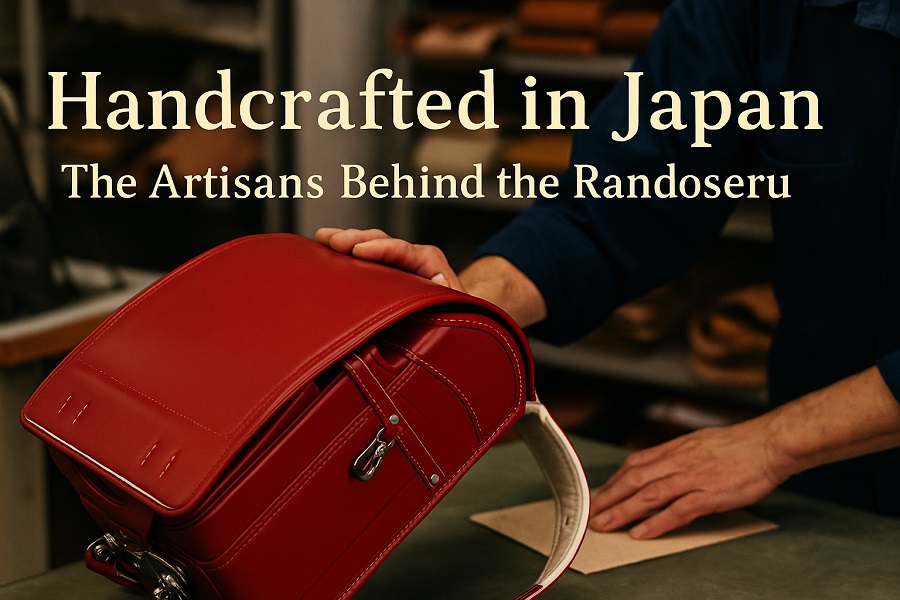
In an era of fast fashion and disposable products, one item in Japan remains almost defiantly traditional: the randoseru, the iconic school backpack used by nearly every elementary school student. While many of these bags are mass-produced in factories, an elite segment is still lovingly handmade by skilled Japanese artisans—one stitch at a time.
This is the world of craft randoseru—a blend of functionality, heritage, and design that reflects Japan’s deep respect for craftsmanship.
In recent years, Japan has witnessed a surge in demand for kōbō randoseru—bags made in small workshops (kōbō) by artisans with decades of experience. These bags are not mass-produced. Instead, they are carefully constructed from premium leather, often with customizable details, and designed to last six years or more.
Famous workshop brands include:
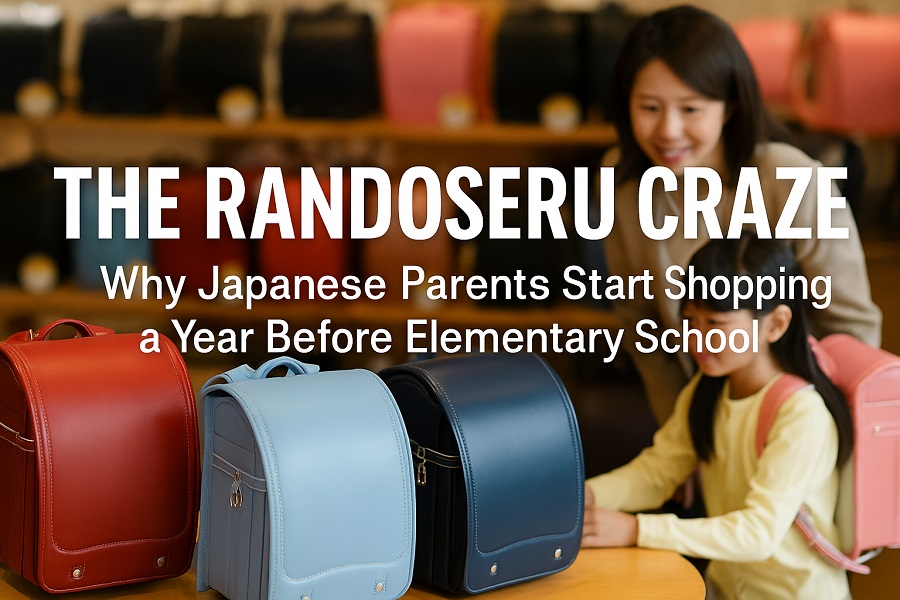
👉 Curious why parents start buying randoseru a year early? Read Vol.2: “The Randoseru Craze.”
Crafting a single randoseru by hand can take over 150 steps and several days to complete. Here’s a glimpse into what goes into it:
Each panel is precisely cut from high-quality leather—often vegetable-tanned—to ensure consistency and durability.
Critical stress points are double-stitched by hand or on foot-pedal sewing machines to maintain structural integrity over years of use.
Straps, rivets, and locks are carefully chosen for both aesthetics and strength. Adjustability is a major focus, given children grow quickly.
Artisans inspect every corner, stitch, and buckle. A small flaw can lead to a rejected bag. Excellence isn’t optional—it’s embedded in the culture.
These makers often sign their name on the product tag—taking personal responsibility for its quality.
Handcrafted randoseru often cost more—between ¥70,000 and ¥120,000 ($500–$900)—but they offer:
Parents and grandparents who opt for handmade bags often do so to honor tradition and quality, not just fashion. Many see it as a symbolic gift that shows a deep emotional investment in the child’s educational journey.
👉 Explore the emotional meaning behind this gift in Vol.4: “A Family Legacy.”
With Japan’s aging artisan population, many workshops are investing in younger craftspeople and apprenticeship programs to preserve their methods. Some are even exporting their bags overseas, where Japanese craftsmanship is highly valued.
These randoseru are no longer just tools for school—they’re works of art, and they carry a story with every stitch.
In a world moving faster than ever, the handcrafted randoseru stands as a quiet protest: a reminder that quality takes time, and that childhood deserves something beautifully made.
So the next time you see a Japanese child with one of these sturdy backpacks, look closer—you might just be looking at the work of a master.
👉 Continue reading: Vol.4 – “A Family Legacy: Why Grandparents Often Buy Randoseru”
👉 Or go back to Vol.1 – “What Is a Randoseru?”