Visiting Japan? Discover the real differences between Japanese beer, happoshu, and third beer. Learn what to drink, where to find it, and how to enjoy Japan’s unique beer culture like a local!

 JapanUnveiled.com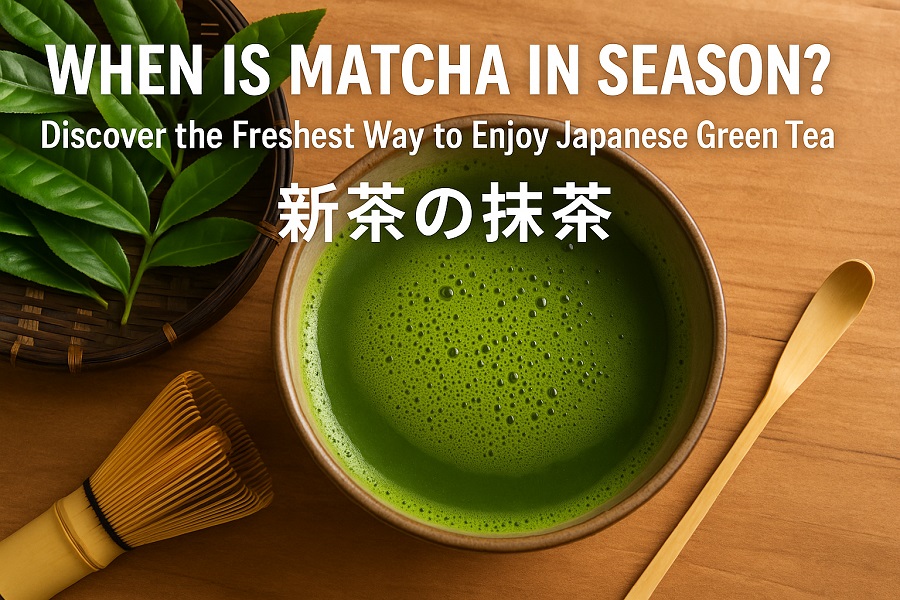
If you love matcha, you might assume its freshest moment is right after harvest—but think again!
In Japan, the real season for matcha is actually in November.
Here’s why—and how you can savor matcha at its very best.
High-quality matcha starts with tencha (碾茶), tea leaves harvested in early May during Japan’s beautiful first flush season (ichibancha, 一番茶).
But instead of grinding them immediately, traditional tea masters age the tencha leaves carefully over several months. The aging process mellows the sharpness of freshly picked leaves, deepens the umami flavor, and creates the rich, complex taste we expect from premium matcha.
In November, tea houses across Japan hold a special event called Kuchikiri no Chaji (口切の茶事), or "the tea jar opening ceremony."
This marks the moment when aged tea leaves are opened for the first time, ground into fine matcha powder, and prepared for drinking.
Historically, people would wait six months after harvest to allow the leaves to mature perfectly. Thus, November became known as the time to enjoy the freshest-tasting matcha, even though the harvest happened months before.
If you want to taste matcha the traditional way:
Aged matcha offers a smoother, sweeter, and deeper flavor profile compared to freshly harvested tea. It’s truly a once-a-year treat!
In Japan, matcha is more than just a drink—it follows the rhythm of nature and time.
While tea leaves are picked in spring, it’s the careful waiting until November that brings out their full magic.
So next time you enjoy a bowl of matcha in autumn, know that you’re tasting tradition, patience, and the essence of a Japanese season. 🍃