Discover why Japan’s vacant homes attract foreign buyers—and why understanding earthquake risks and seismic standards is crucial before investing in property.

 JapanUnveiled.com
In Japan, silence often speaks volumes. Change doesn’t always come with protests or political slogans — sometimes it arrives quietly, steadily, and without fanfare.
On baseball diamonds in Los Angeles and soccer fields in Spain, young Japanese athletes like Shohei Ohtani and Takefusa Kubo are rewriting what it means to be Japanese on the world stage. They are not just playing well — they are leading, commanding attention, and engaging with older teammates as equals, not subordinates. And they are doing so with composure, clarity, and confidence.
This might seem unremarkable to foreign observers. But within the context of Japan’s deeply ingrained social hierarchy — where age often trumps ability, and seniority is mistaken for wisdom — it is nothing short of revolutionary.
These athletes are not just symbols of sporting excellence. They are quiet revolutionaries, modeling a new kind of Japanese identity — one where respect is earned, not imposed, and where youth can lead without apology.
Their behavior is not loud, confrontational, or rebellious. But it is transformational. And if Japan is listening, it may just learn that the next era of its cultural evolution has already begun — not in the corridors of power, but on the playing field.
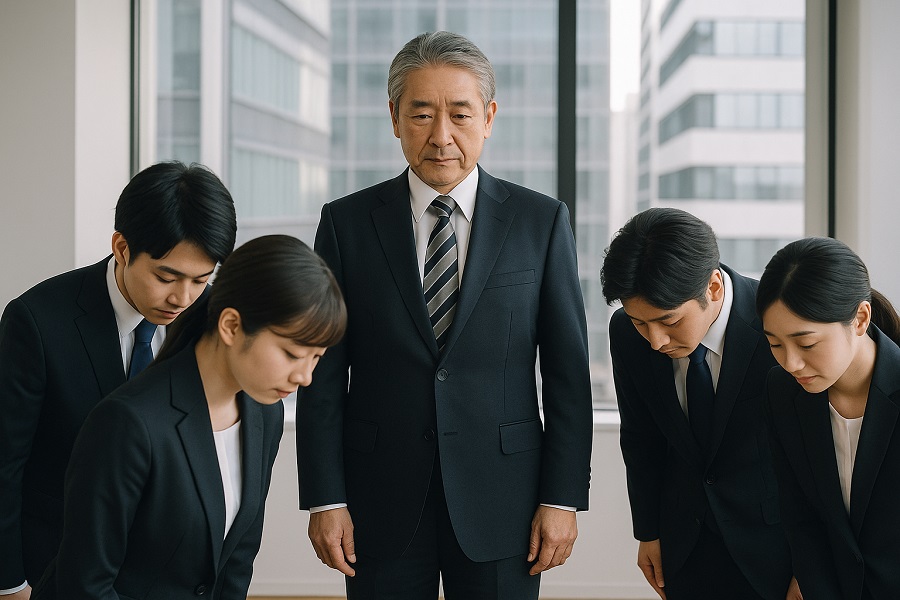
To understand why the confidence of Japan’s young athletes is so striking, we must first understand the structure they are pushing against: a society where age is a system of control, not just a marker of experience.
In traditional Japanese culture, seniority commands automatic respect. Whether in the workplace, education, or government, those who are older are often granted more authority, regardless of their actual performance or insight. Titles like senpai and kohai don't merely describe relationships — they define power dynamics.
This hierarchy is reinforced by decades of corporate tradition: new employees “learn in silence,” junior staff rarely speak in meetings, and promotions are based more on years served than on merit shown.
The consequences are profound:
What began as a way to preserve harmony has, over time, hardened into a system that discourages initiative and dilutes accountability.
In such a system, potential is often measured not by what one can do, but by how long one is willing to wait.
It’s within this context that the assertiveness of Japan’s young athletes becomes so culturally disruptive — not because it is aggressive, but because it refuses to wait its turn.
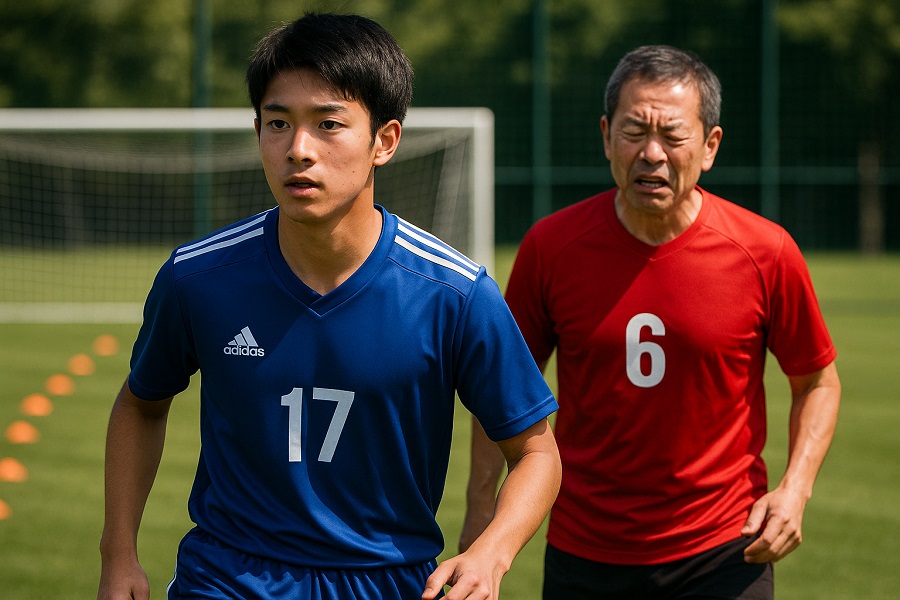
On the playing field, the rules are different.
In professional sports — especially at the international level — performance speaks louder than pedigree. Coaches, fans, and teammates don’t care how many birthdays a player has celebrated; they care about results. This makes elite sports one of the few spaces in Japanese culture where meritocracy consistently overrides hierarchy.
Shohei Ohtani does not wait deferentially behind veteran players. He leads — not by demanding authority, but by consistently delivering at the highest level. His teammates listen to him not because they must, but because he has earned their trust.
Takefusa Kubo, still in his early twenties, directs older teammates, demands the ball, and takes responsibility in high-pressure moments. His confidence is not arrogance; it’s a language of capability, understood across borders.
These young athletes are not exceptions — they are signals that ability, when given room to breathe, can outshine age and reshape dynamics.
This isn't just about personality. Global sports operate under clear performance metrics. If you’re good enough, you play. If you lead, people follow — regardless of your age. This system stands in stark contrast to many areas of Japanese life, where youth is seen as a phase to be endured, not a force to be trusted.
Elite sports have quietly become safe havens for cultural experimentation. Within them, a new version of Japanese identity is taking shape — one where hierarchy is earned, not inherited, and where young voices contribute to leadership, not just obedience.

If Japan's sports fields have become spaces where young people are trusted, empowered, and allowed to lead, the obvious question is: why can’t the rest of society do the same?
The answer is not that it’s impossible — it’s that it requires a shift in values, priorities, and trust. And the sports world offers a living example of how that shift can happen.
In sports, young athletes are given real stakes. In society, youth are often shielded or delayed. But without responsibility, growth is stunted. The more we entrust, the more we discover what younger generations are capable of.
Sports reward performance — goals, points, wins. Business and public institutions should take note: impact matters more than years served. Talent does not need time to become visible.
Youth bring freshness, speed, and courage. But they must be invited in, not kept waiting. Listening to younger voices is not a gesture of generosity — it’s a strategy for survival.
Cultural change is not about heroic individuals alone. It requires systems that encourage initiative, and leadership willing to adapt. Sports changed because they had to. Society must now choose to.
The goal is not to reject Japan’s traditions, but to update them. Respect for elders should remain — but so should respect for results, integrity, and potential, regardless of age.
The quiet revolution we see in athletes is one of balance:
Japan doesn’t need a cultural overhaul — it needs recognition of the transformation already underway.
The athletes are not just playing a game. They are showing a way forward.