Visiting Japan? Discover the real differences between Japanese beer, happoshu, and third beer. Learn what to drink, where to find it, and how to enjoy Japan’s unique beer culture like a local!
 JapanUnveiled.com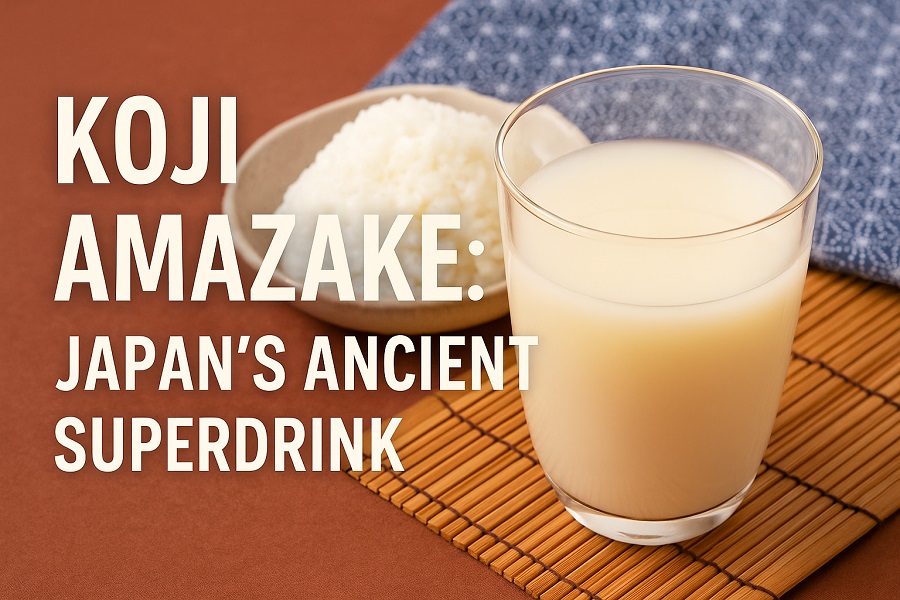
Have you ever heard of "koji amazake"? If not, you're not alone. This ancient Japanese drink has been quietly nourishing people for centuries—but now, it's finally getting the international attention it deserves.
In a world full of trendy health drinks like kombucha, kefir, and matcha, koji amazake stands out as a time-tested, all-natural elixir packed with nutrients, tradition, and a rich cultural history. It's often nicknamed “the drinkable IV” or “Japan’s natural superdrink”, and for good reason.
Let’s explore why this humble fermented rice drink might be your next go-to health ritual.
Amazake (甘酒), literally “sweet sake,” is a traditional Japanese beverage with over a thousand years of history. Though its name may suggest alcohol, not all amazake contains alcohol—and that’s a crucial distinction.
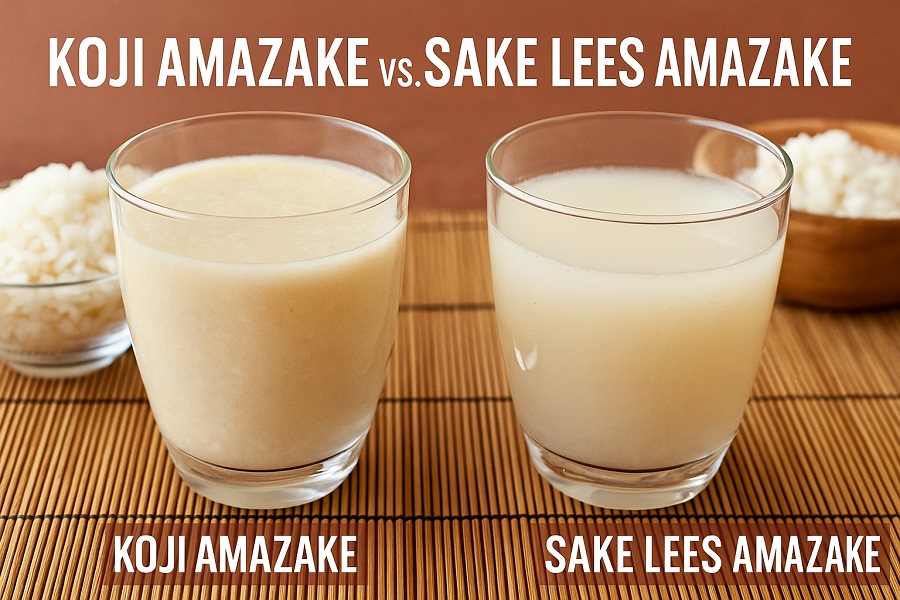
There are two main types of amazake, and understanding the difference is essential:
This type is made from rice and koji mold (Aspergillus oryzae), a traditional Japanese fermentation starter. As the enzymes in the koji break down the rice starch into natural sugars, you get a sweet, creamy drink—without any added sugar or alcohol. It’s completely safe for children and those avoiding alcohol.
This version is made from sake kasu (the leftover mash from sake brewing) and is typically blended with water and sugar. While delicious and rich in flavor, it often contains small amounts of alcohol—usually under 1%—but enough to warrant caution, especially if you’re serving it to children, pregnant women, or people avoiding alcohol for health or religious reasons.
So if you're trying amazake for the first time—or introducing it to your family—koji amazake is the safest and most versatile choice.

Koji amazake has earned the nickname “the drinkable IV” because of its impressive nutritional profile. It contains over 350 naturally occurring nutrients, including:
This makes it a powerful energy booster, immune supporter, and digestive aid—all in one gentle, creamy drink.
During the Edo period (1603–1868), amazake was even sold by street vendors in the summer to help people survive the sweltering heat. In fact, amazake is officially considered a summer season word in haiku poetry, despite its modern image as a winter drink.
The fermentation process doesn’t just create sweetness—it unlocks deeper nutrition. Koji mold transforms rice starch into easily digestible sugars and produces bioavailable vitamins and enzymes that are readily absorbed by the body.
Some of the proven or suggested health benefits include:
All of this, with no caffeine, no refined sugar, and no alcohol. That’s a rare combination in the world of health drinks.
Koji amazake isn’t a new discovery—it’s a revival of a time-honored wellness tradition. In historical Japan, it was a drink for everyone: nobles, monks, workers, and families. It was homemade in kitchens, offered at shrines, and consumed as part of seasonal customs.
Its re-emergence in modern health culture is no coincidence. As people search for natural, functional, and culturally rich nutrition, koji amazake offers all three.
Koji amazake can be enjoyed:
Its versatility makes it a perfect addition to modern wellness routines—whether you’re cooking, training, or simply recharging.
Outside of Japan, you can find koji amazake:
Look for "koji amazake" on the label, and check ingredients: ideally, it should only contain rice, water, and koji—no alcohol or additives.
Koji amazake is more than just a sweet drink—it’s a bridge between tradition and modern health. With its alcohol-free profile, natural fermentation benefits, and centuries of cultural significance, it’s a superdrink that deserves a place in your daily life.
So next time you’re craving something nourishing, gentle, and a little different—try a glass of koji amazake.
It just might become your new favorite daily ritual.
Note: This article was created based on insights from the Japanese book “砂糖の代わりに糀甘酒を使うという提案” (Use Koji Amazake Instead of Sugar), authored by Kenji Maebashi and Kyoko Amako, published in 2020 by Ascom.