Discover the cultural meaning behind Japan’s iconic school backpack—the randoseru. Learn its history, design, and why Japanese children carry the same bag for six years.

 JapanUnveiled.com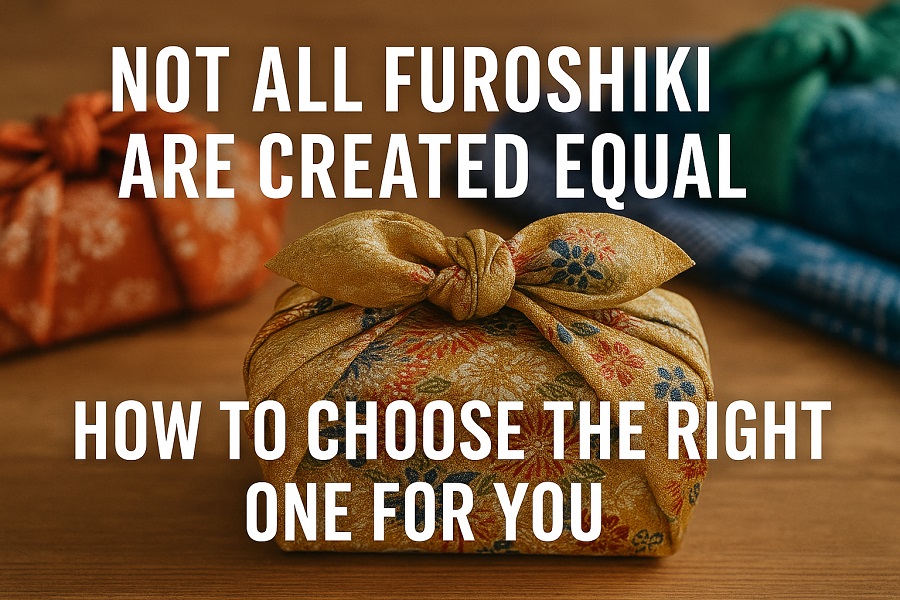
Walk into a 100-yen shop in Japan and you might spot a colorful square cloth labeled furoshiki. For just a dollar, it looks like a bargain. But step into a specialty store, and you’ll see furoshiki priced at $30, $50, even over $100. What makes one piece of cloth so different from another?
In this article, we’ll explore how furoshiki vary in material, craftsmanship, design, and cultural significance—and how to choose the one that fits your purpose and values.
The most noticeable difference between a budget furoshiki and a high-end one is the material.
A good furoshiki doesn’t just wrap—it feels right in your hands.
Inexpensive furoshiki often feature generic floral or cartoon prints. High-quality furoshiki, however, carry deep cultural and symbolic significance in their patterns:
| Pattern | Symbolism |
|---|---|
| Asanoha (Hemp Leaf) | Growth and protection?often used for children's gifts |
| Seigaiha (Blue Ocean Waves) | Peace, prosperity, and lasting good fortune |
| Karakusa (Vines) | Longevity and strong family roots |
| Shipp? (Seven Treasures) | Harmony, connection, and endless possibility |
| Tsuru (Cranes) | Long life and good luck?ideal for weddings or formal gifts |
Using a pattern that matches the occasion adds a layer of thoughtfulness and tradition.
Cheaper furoshiki may have machine-stitched edges that unravel over time or imperfect square cuts that make folding awkward. In contrast, traditional makers pay attention to every detail:
These furoshiki are designed not for single use, but for generations of use.
If you’re ready to invest in a better furoshiki, here are some trusted Japanese makers:
Ask yourself:
You may start with a few affordable furoshiki to practice—but over time, investing in a meaningful, quality piece can bring deeper satisfaction.
Furoshiki isn't just about wrapping things—it's about how you present yourself, your values, and your care for others. Whether you choose a $1 cloth or a $100 work of art, what matters most is using it with purpose.
The next time you wrap a gift, pause and ask: “What story does this cloth tell?”
Want to explore specific wrapping techniques for different furoshiki sizes and shapes? Stay tuned for our upcoming guide: “10 Stylish Ways to Wrap with Furoshiki.”