Discover the cultural meaning behind Japan’s iconic school backpack—the randoseru. Learn its history, design, and why Japanese children carry the same bag for six years.

 JapanUnveiled.com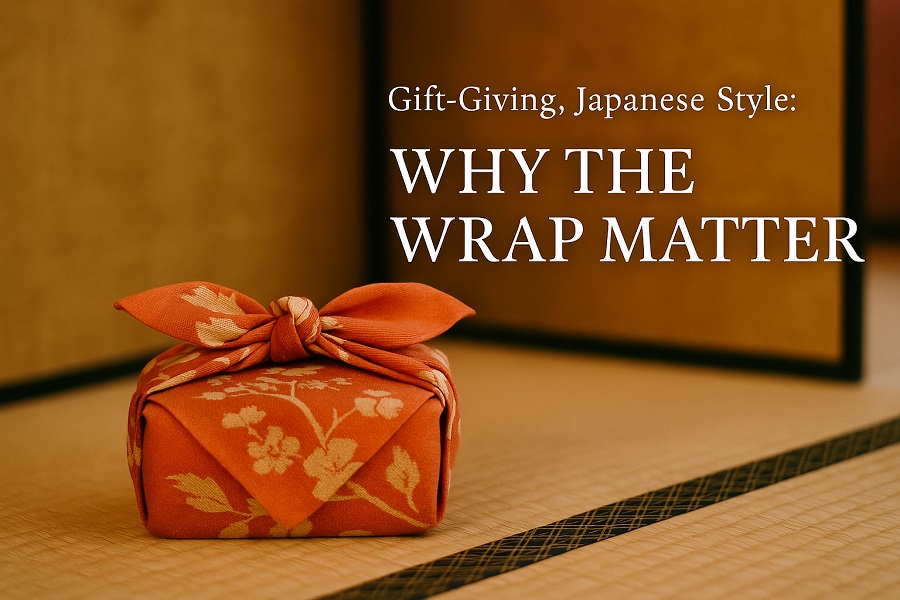
In many cultures, giving a gift is about what’s inside—the object, the gesture, the occasion. But in Japan, the way a gift is presented carries just as much meaning as the gift itself.
And few things embody this philosophy better than furoshiki—a square of cloth that transforms wrapping into an art of care, respect, and intention.
Let’s explore why the wrap truly matters in Japanese gift-giving.
In Japanese culture, how you wrap something reflects how much thought you put into the giving. It’s not just packaging—it’s part of the message.
The wrapping serves to:
Unlike Western gift wrap—which is often torn off and thrown away—furoshiki is meant to be kept, reused, and sometimes even returned, carrying the story of care forward.
Furoshiki is not only functional but symbolic. Each knot, each fold, is intentional. The cloth can be chosen to match:
It turns a gift into a layered experience: touch, texture, visual beauty, and cultural meaning—all before the recipient even sees what’s inside.
One of the most charming aspects of furoshiki is that the wrap itself can be a part of the gift:
In this way, furoshiki turns giving into an act of generosity, sustainability, and artistry.
In Japan, gifts are often:
Furoshiki complements this etiquette beautifully—it’s quietly expressive, never loud or excessive.
It says: “I cared enough to wrap this with my own hands.”
As the world moves toward more sustainable and meaningful lifestyles, Japanese-style gift-giving offers lessons for everyone:
Whether you’re gifting a friend, celebrating a life event, or simply expressing gratitude, furoshiki helps you do it with thoughtfulness and grace.
In Japan, giving isn’t just about what’s given—it’s about how it’s given. The act of wrapping becomes a reflection of the giver’s heart, and the cloth becomes a vessel of feeling.
So next time you give a gift, ask yourself:
What story will your wrapping tell?
Want to learn how to wrap beautifully with furoshiki? Explore our visual guide to wrapping techniques and patterns that speak without words.